
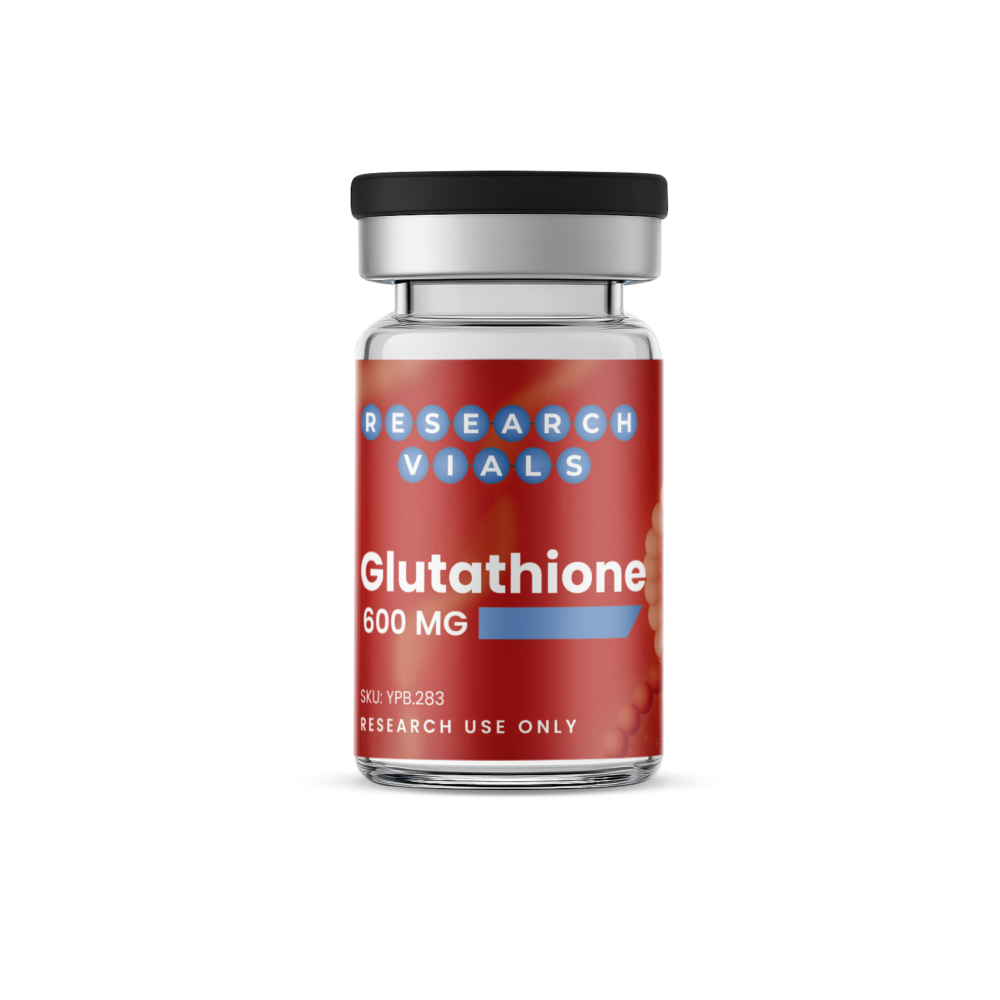
Glutathione
L-Glutathione (Reduced)
gamma-Glu-Cys-Gly (tripeptide)
Overview
Glutathione (GSH) is a tripeptide (gamma-glutamylcysteinylglycine) that serves as the body's most abundant intracellular antioxidant. It is present in millimolar concentrations in virtually all mammalian cells, with particularly high levels in the liver, where it plays a central role in detoxification and xenobiotic metabolism. GSH functions as the primary substrate for glutathione peroxidase (GPx), which neutralizes hydrogen peroxide and lipid hydroperoxides. In this reaction, reduced GSH is oxidized to GSSG (glutathione disulfide), which is then regenerated by glutathione reductase using NADPH. The GSH/GSSG ratio is a key indicator of cellular redox status — a declining ratio indicates oxidative stress. Beyond direct antioxidant activity, GSH is essential for Phase II hepatic detoxification via glutathione S-transferases (GSTs), which conjugate glutathione to electrophilic xenobiotics, drugs, and carcinogens for elimination. GSH also supports immune function — lymphocyte proliferation and natural killer cell activity depend on adequate GSH levels. Wu et al. demonstrated that GSH depletion impairs T-cell function, while supplementation restores immune responses. Glutathione levels decline with age, chronic disease, and environmental toxin exposure, making GSH status a biomarker of overall health.
Mechanism of Action
Glutathione (GSH) is a tripeptide (gamma-glutamylcysteinylglycine) that serves as the body's most abundant intracellular antioxidant. It is present in millimolar concentrations in virtually all mammalian cells, with particularly high levels in the liver, where it plays a central role in detoxification and xenobiotic metabolism. GSH functions as the primary substrate for glutathione peroxidase (GPx), which neutralizes hydrogen peroxide and lipid hydroperoxides. In this reaction, reduced GSH is oxidized to GSSG (glutathione disulfide), which is then regenerated by glutathione reductase using NADPH. The GSH/GSSG ratio is a key indicator of cellular redox status — a declining ratio indicates oxidative stress. Beyond direct antioxidant activity, GSH is essential for Phase II hepatic detoxification via glutathione S-transferases (GSTs), which conjugate glutathione to electrophilic xenobiotics, drugs, and carcinogens for elimination. GSH also supports immune function — lymphocyte proliferation and natural killer cell activity depend on adequate GSH levels. Wu et al. demonstrated that GSH depletion impairs T-cell function, while supplementation restores immune responses. Glutathione levels decline with age, chronic disease, and environmental toxin exposure, making GSH status a biomarker of overall health.
Key Research Findings
- Wu et al. (2004) reviewed glutathione metabolism and its critical role in immune cell function, demonstrating that GSH depletion impairs lymphocyte proliferation and NK cell activity.
- Richie et al. (2015) showed oral glutathione supplementation (250-1000 mg/day) increased blood GSH levels and reduced oxidative stress markers in a randomized controlled trial.
- Forman et al. (2009) reviewed glutathione as a key determinant of cellular redox signaling and its role in regulating transcription factors including NF-kB and AP-1.
- Sinha et al. (2018) demonstrated IV glutathione improved skin melanin index in a clinical trial, supporting its use in dermatological research.
Citations & References
Glutathione metabolism and its implications for health
Wu G, Fang YZ, Yang S, et al. — J Nutr (2004)
Randomized controlled trial of oral glutathione supplementation on body stores of glutathione
Richie JP Jr, Nichenametla S, Neiber W, et al. — Eur J Nutr (2015)
Glutathione: overview of its protective roles, measurement, and biosynthesis
Forman HJ, Zhang H, Rinna A. — Mol Aspects Med (2009)
Dosage in Research
Oral studies use 250-1000 mg/day. IV protocols use 600-2400 mg per session. The 600mg vial provides a standard IV research dose.
Dosage information is derived from published research literature and is presented for educational purposes only. This is not medical advice. All products are for laboratory research use only.
Storage & Handling
Store lyophilized (freeze-dried) powder at -20°C to 4°C in a dry environment protected from light. Unreconstituted peptide is stable for extended periods when stored properly.
Once reconstituted with bacteriostatic water or an appropriate solvent, store at 2-8°C and use within the timeframe specified on the Certificate of Analysis. Avoid repeated freeze-thaw cycles.
A Certificate of Analysis documenting purity, identity, and recommended storage conditions is included with every order.
Frequently Asked Questions
What is Glutathione?
What purity is your Glutathione?
How should I store Glutathione?
Is Glutathione for human use?
Where can I buy Glutathione?
Research Use Only
All products are intended for laboratory research and educational purposes only. Products have not been evaluated by the FDA and are not intended for human consumption, diagnosis, treatment, or prevention of any disease. Purchasers must be 21+ and confirm research use intent.