
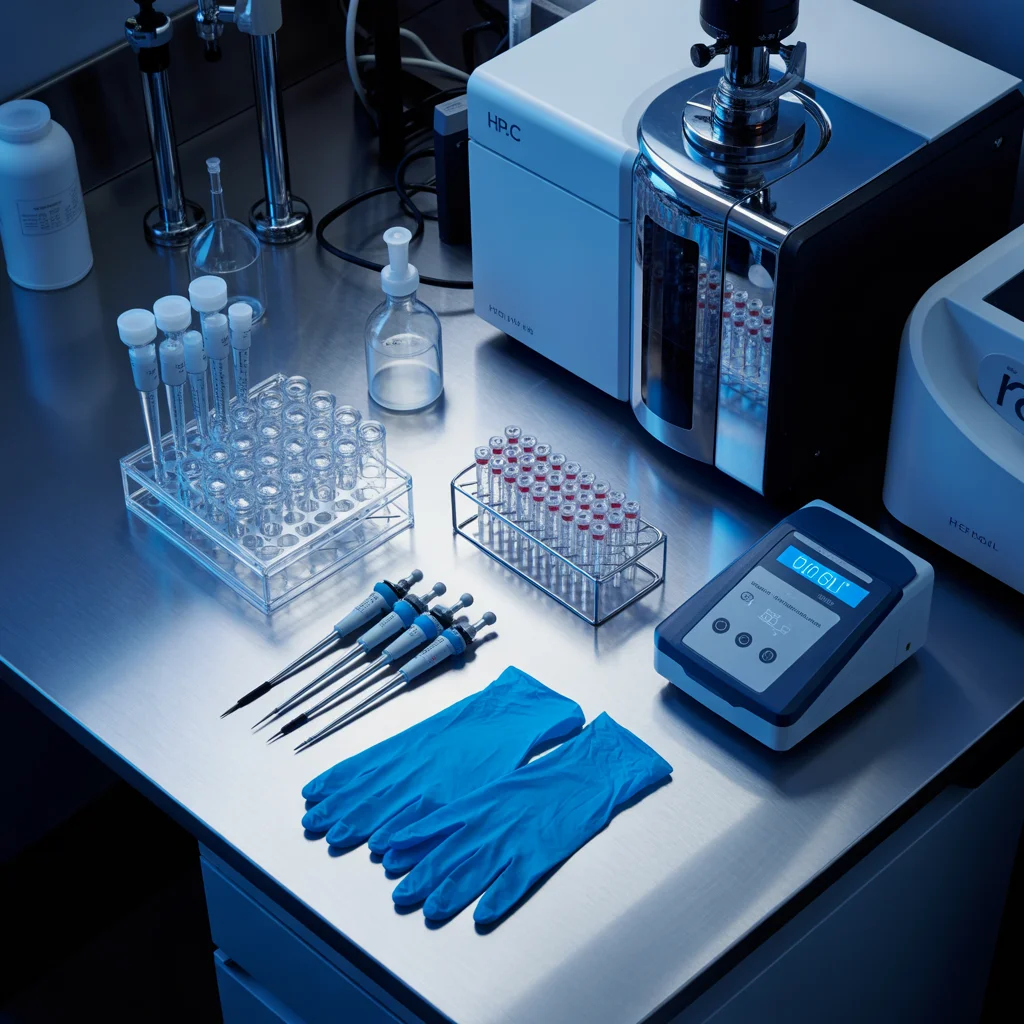
This article publishes the full text of the Research Vials Peptide Reference Manual. It is intended as a working bench reference: dosing math, reconstitution protocols, peptide-class taxonomy, a GLP-1 deep dive, and stacking strategies, with a compiled reference list of the foundational research at the bottom. Read it inline on this page, or use the download links to grab a portable PDF or DOCX copy for your bench or notes app.
Download a copy:
Contents
- Why Peptides Matter Now
- The Biology Behind Peptide Action
- Choosing Your First Compound
- Bench Mechanics — Reconstitution, Dosing, Storage
- A Map of the Peptide Landscape — The Twelve Functional Classes
- Matching Peptides to Research Goals
- Inside the GLP-1 Class — Mechanism, Drugs, and Misconceptions
- Frontier Compounds — Longevity, Mitochondria, Metabolism
- Designing Multi-Peptide Protocols
- Fasting as a Peptide Force-Multiplier
- Closing Notes and References
Chapter 1 · Why Peptides Matter Now
Peptides aren't new. They aren't experimental. They've been quietly reshaping the health, longevity, and performance landscape for decades. The problem is that most of the information available is too complicated, too scattered, or simply wrong. This guide fixes that.
1. Who this guide is for
- Beginners who want a clear, plain-language introduction to peptides
- Researchers looking for structured, education-first reference material
- Health optimizers who want to understand what peptides can — and can't — do
- Anyone overwhelmed by jargon who wants the science explained without the marketing
2. How to use this playbook
- Chapters 1–2: Why peptides, and how they work
- Chapters 3–4: Choosing a compound; reconstitution and bench mechanics
- Chapter 5: The twelve functional classes
- Chapters 6–7: Matching peptides to goals; the GLP-1 class in depth
- Chapters 8–11: Frontier compounds, multi-peptide protocols, references
3. The Research Vials difference
Research Vials operates on an education-first principle. Every product carries:
- Third-party-verified Certificate of Analysis (COA) — sourced from Analytical Formulations, Inc.
- 99%+ purity standards
- Cold-chain shipping for fragile compounds
Chapter 2 · The Biology Behind Peptide Action
1. What are peptides?
Peptides are short chains of amino acids — typically 2 to 50 residues — joined by peptide bonds. Amino acids are the fundamental building blocks of life: they form the proteins that structure and regulate virtually every system in the body.
Where proteins are large and complex, peptides are smaller and highly biologically active. They function as messengers, signalers, and switches, instructing cells to perform specific functions: tissue repair, fat metabolism, hormonal balance, immune regulation, and more.
Therapeutic peptides are either:
- Endogenous-identical: molecularly the same as those produced inside the body
- Synthetic analogs: designed to mimic or enhance natural peptides, often modified for greater stability, absorption, or selectivity
2. Why peptides are a powerful health-optimization tool
Peptides typically work with the body's existing signaling systems rather than overriding them. Compared with many small-molecule pharmaceuticals, this offers:
- Greater pathway specificity — targeted, not systemic
- Generally fewer off-target effects when dosed correctly
- Support for endogenous regeneration and repair processes
- Improved metabolic efficiency in some contexts
- Subjective improvements in recovery, sleep, and cognition reported across many compounds
For an overview of the therapeutic peptide landscape, see Muttenthaler et al. Trends in peptide drug discovery. Nat Rev Drug Discov 2021. PMID 33536635.
3. Key benefits vs. potential risks
Benefits
- Accelerated healing and recovery
- Enhanced fat oxidation and body recomposition
- Improved sleep, cognition, and energy
- Strengthened immune resilience
- Slowed biological aging markers in animal models
Potential risks
- Mild injection-site irritation
- Bloating or water retention (especially with growth-hormone secretagogues)
- Headache, nausea, or dizziness in some users
- Hormonal imbalance if misused
- Risks from contaminated, low-quality products if sourced irresponsibly
Risk is minimized through intelligent dosing and rigorous sourcing.
4. Common myths
| Myth | Reality |
|---|---|
| Peptides are steroids | False. Peptides stimulate natural processes; steroids flood the body with exogenous hormones. Different molecules, different mechanisms. |
| Peptides are illegal | False. Many are legal for personal use or research, though most are not FDA-approved for specific medical claims. |
| Peptides work overnight | False. Some effects (sleep, healing) appear quickly; deeper changes (fat loss, regenerative effects) require weeks. |
| More is better | False. Overdosing or unnecessary stacking increases risk. Strategic minimum-effective doses produce better results. |
| Only athletes use peptides | False. Peptides are used across recovery, immune support, longevity, and cognitive contexts. |
Chapter 3 · Choosing Your First Compound
1. The beginner blueprint (4 steps)
Step 1 — Define one clear goal
Healing, fat loss, better sleep, cognitive improvement. Pick one and start there.
Step 2 — Choose one peptide that matches the goal
Select a single, well-researched, beginner-friendly compound:
- Injury healing: BPC-157 + TB-500
- Fat loss: Retatrutide or Tirzepatide
- Immune support: Thymosin Alpha-1
- Skin rejuvenation: GHK-Cu (cosmetic)
Step 3 — Consistent use for 6–8 weeks
Peptides are not magic overnight fixes. Consistency over time produces compounding benefits.
Step 4 — Track and assess
Document pain, sleep quality, cognitive clarity, body composition, and recovery speed. Adjust protocols only after a full cycle.
2. Sourcing & safety tips
Where you obtain your peptides directly impacts your safety and results.
Buy from
- Compounding pharmacies licensed in your country
- Reputable research suppliers with transparent practices
Look for
- Verified purity reports (COAs)
- GMP- or ISO-certified manufacturing
- Transparent sourcing, third-party lab verification
- Cold-chain shipping for fragile peptides
- Full ingredient transparency
Avoid
- Pricing that's "too good to be true"
- No verified purity reports (COAs)
- Vendors with no scientific backing or accountability
3. How peptides are delivered
| Delivery method | Example peptides | Notes |
|---|---|---|
| Subcutaneous injection | BPC-157, CJC-1295, Ipamorelin, GLP-1 class | Most effective for systemic and many localized effects |
| Intranasal spray | Selank Amidate, Semax Amidate | Direct CNS access via nasal mucosa |
| Topical | GHK-Cu (cosmetic) | Skin rejuvenation and localized tissue repair |
| Oral capsules | BPC-157 (research-grade oral form has demonstrated bioactivity in some GI models) | Most peptides are degraded by gastric enzymes; oral bioavailability is generally low |
| IM / IV injection | Cerebrolysin (clinical use), SS-31 (specialized research) | Less common; clinical or specialized research settings |
Chapter 4 · Bench Mechanics — Reconstitution, Dosing, Storage
1. Dosing fundamentals + worked examples
How to calculate your dose
- Define your target in mcg.
- Compute concentration (mcg/mL):
Concentration = (Vial mg × 1000) ÷ Solvent mL - Find mcg per syringe unit:
mcg/unit = Concentration ÷ 100 units/mL - Calculate units to draw:
Units = Desired mcg ÷ mcg/unit - Round and record. Round to the nearest 0.1 unit if your syringe allows; document before drawing.
Worked example (10 mg vial)
- Target dose: 300 mcg
- Solvent: 1.0 mL → Concentration = (10 × 1000) ÷ 1 = 10,000 mcg/mL
- mcg per unit: 10,000 ÷ 100 = 100 mcg/unit
- Units to draw: 300 ÷ 100 = 3 units
Pro tips
- Match solvent volume to desired resolution. For 50 mcg increments, dissolve 10 mg in 2 mL → 5,000 mcg/mL → 50 mcg/unit.
- Document everything. Record vial size, solvent volume, concentration, and unit calculation on the label.
- Use 0.1-unit syringes for non-whole-unit doses.
- Cross-check with a trusted calculator. Use the Research Vials calculator: researchvials.us/tools/dosing-calculator.
2. Full dosing chart (quick reference)
| Vial size | Add solvent | Concentration | Units → mcg | Example |
|---|---|---|---|---|
| 5 mg | 1.0 mL BAC water | 5 mg/mL | 1 unit = 50 mcg | 150 mcg → 3 units |
| 10 mg | 1.0 mL BAC water | 10 mg/mL | 1 unit = 100 mcg | 300 mcg → 3 units |
| 12 mg | 2.0 mL BAC water | 6 mg/mL | 1 unit = 60 mcg | 300 mcg → 5 units |
| 50 mg | 10 mL BAC water | 5 mg/mL | 1 unit = 50 mcg | 250 mcg → 5 units |
Choose solvent volumes that yield round mcg-per-unit values (50 or 100 mcg) so you can draw whole units. For finer resolution, increase the solvent volume.
3. Reconstitution — step-by-step
Most operators get this wrong without realizing it. Follow each step:
- Warm to room temperature (10 min). Remove the dry vial from cold storage. Let it sit on the bench for 10 minutes — thermal shock can crack the stopper.
- Slow-draw solvent. Use a 29–31 G insulin syringe; draw the plunger back slowly to avoid aerosolizing the solvent.
- Inject at a tilt. Hold the vial at a 45° angle and run the solvent down the glass wall, not directly onto the powder. This prevents foaming.
- Swirl — never shake. Gently swirl until the powder is fully dissolved. Vortexing or shaking can shear peptide bonds.
- Inspect clarity and pH. Solution should be crystal clear with no particulates. For protocols requiring a narrow pH range (7.0–7.4), test it.
- Filter for cell culture, if needed. Use a 0.2 µm syringe filter for sensitive assays.
- Aliquot and label immediately. Transfer to pre-labeled microtubes; freeze or refrigerate per the use plan.
4. Storage best practices
- Lyophilized (powder): -20°C or colder; stable for 24+ months
- Reconstituted: 2–8°C in BAC water; use within 4–8 weeks (compound-dependent)
- Avoid repeated freeze-thaw cycles, direct sunlight, heat exposure
- Always use sterile technique, fresh needles, and clean work surfaces
5. Troubleshooting cheat sheet
| Issue | Symptom | Solution |
|---|---|---|
| Foam or bubbles during injection | Cloudy solution, visible foam | Inject at angle, slower rate; swirl gently |
| Particulate matter | Specks in solution | Filter through 0.2 µm; discard if persistent |
| Inconsistent dosing | Variable assay results | Recheck syringe units; pre-measure where possible |
| Loss of activity post-recon | Diminished assay signal | Aliquot immediately; respect cold-storage windows; avoid freeze-thaw |
| Label peeling/fading | Hard-to-read vial details | Use matte-polyester labels with 5 mm margin and clear overlap |
Chapter 5 · A Map of the Peptide Landscape — The Twelve Functional Classes
Understanding peptide categories is essential to matching compounds to research goals. Each category targets distinct biological pathways.
1. Signaling peptides
Examples: BPC-157, GHK-Cu, AHK-Cu, KPV, LL-37, Thymosin Alpha-1
Primary roles: repair, inflammation modulation, immune regulation, angiogenesis
BPC-157 mechanistic overview: Sikiric et al. Stable gastric pentadecapeptide BPC 157. Curr Pharm Des 2018. PMID 29566621.
2. Growth-hormone-axis peptides (GHRH + GHRP)
GHRH: CJC-1295, Sermorelin, Tesamorelin, Mod-GRF
GHRP: Ipamorelin, GHRP-2, GHRP-6, Hexarelin
Primary roles: GH release, recovery, fat loss, sleep optimization, muscle repair
Sigalos & Pastuszak. The Safety and Efficacy of Growth Hormone Secretagogues. Sex Med Rev 2018. PMID 28526632.
3. Metabolic & mitochondrial peptides
Examples: MOTS-c, SS-31, 5-Amino-1MQ, AOD-9604, Cagrilintide
Primary roles: fat oxidation, insulin sensitivity, ATP efficiency, metabolic flexibility
Lee et al. The mitochondrial-derived peptide MOTS-c promotes metabolic homeostasis. Cell Metab 2015. PMID 25738457.
4. Neuropeptides / cognitive peptides
Examples: Semax, Selank, Cerebrolysin, DSIP, PE-22-28, Pinealon, Dihexa
Primary roles: focus, neuroprotection, anxiety modulation, sleep, memory enhancement
5. Cosmetic / regenerative peptides
Examples: GHK-Cu, AHK-Cu, GHK-Cu Cosmetic, Melanotan-1/2, copper tripeptides, SNAP-8
Primary roles: skin regeneration, pigmentation, wrinkle repair, hair-follicle activation
Pickart & Margolina. Regenerative and protective actions of the GHK-Cu peptide. Int J Mol Sci 2018. PMID 30142889.
6. Immune-modulating peptides
Examples: Thymosin Alpha-1, Thymosin Beta-4 (TB-500), LL-37, Thymalin, ARA-290
Primary roles: inflammation control, immune enhancement, tissue repair, pathogen defense
King & Tuthill. Immune Modulation with Thymosin Alpha 1 Treatment. Vitam Horm 2016. PMID 27451111.
7. Weight-loss / appetite-modulating peptides
Examples: Retatrutide, Tirzepatide, Semaglutide, Tesofensine, Cagrilintide, Mazdutide, Survodutide
Primary roles: appetite suppression, metabolic enhancement, fat loss, blood-sugar regulation
8. Muscle-building / recovery peptides
Examples: IGF-1 LR3, Follistatin-related compounds, BPC-157, TB-500, GHRH/GHRPs
Primary roles: muscle growth, tendon and ligament repair, faster recovery
9. Sexual function / libido peptides
Examples: PT-141 (Bremelanotide), Oxytocin, Kisspeptin-10
Primary roles: arousal, libido enhancement, fertility-pathway support
10. Anti-inflammatory / autoimmune-modulating peptides
Examples: KPV, ARA-290, LL-37, VIP (Vasoactive Intestinal Peptide)
Primary roles: gut repair, systemic inflammation reduction, tissue protection, autoimmune modulation
11. Sleep & circadian peptides
Examples: DSIP (Delta Sleep Inducing Peptide), Epitalon, Pinealon
Primary roles: deep sleep, recovery, parasympathetic activation, circadian-rhythm support
12. Regenerative peptide hybrids / multi-pathway peptides
Examples: FOXO4-DRI, P21, KLOW blend, Glow Stack, Cartalax
Primary roles: senolytic activity, cellular cleanup, multi-system optimization, longevity support
Baar et al. Targeted Apoptosis of Senescent Cells Restores Tissue Homeostasis in Response to Chemotoxicity and Aging. Cell 2017. PMID 28340337 (FOXO4-DRI).
Chapter 6 · Matching Peptides to Research Goals
1. Popular beginner-friendly peptides
| Peptide | Primary benefit | Delivery | Beginner? |
|---|---|---|---|
| BPC-157 | Injury healing, gut repair | Injection (oral form available) | Yes |
| TB-500 | Tissue repair, flexibility | Injection | Yes |
| Retatrutide | Fat loss, blood-sugar control | Injection | Yes |
| CJC-1295 + Ipamorelin | GH release, fat loss, sleep | Injection | Yes |
| GHK-Cu Cosmetic | Skin/hair rejuvenation | Topical / Injection | Yes |
| Thymosin Alpha-1 | Immune system support | Injection | Yes |
| MOTS-c | Mitochondrial health, metabolism | Injection | Yes |
2. Peptides for healing & recovery
BPC-157
- Accelerates wound healing and tendon/ligament repair
- Restores gastrointestinal lining
- May reduce scar tissue formation; one of the most-studied healing peptides
TB-500 (Thymosin Beta-4)
- Promotes new blood-vessel formation (angiogenesis)
- Speeds soft-tissue healing
- Reduces inflammation; works synergistically with BPC-157
Goldstein et al. Thymosin β4: actin-sequestering protein moonlights to repair injured tissues. Trends Mol Med 2005. PMID 16182206.
KPV
- Tripeptide with potent anti-inflammatory action
- Particularly effective in gut and skin disorders
- Supports mucosal healing
Dalmasso et al. PepT1-mediated tripeptide KPV uptake reduces intestinal inflammation. Gastroenterology 2008. PMID 18599618.
ARA-290
- Neuroprotective
- Promotes nerve regeneration
- Reduces neuropathic pain without erythropoiesis
Brines et al. ARA 290, a nonerythropoietic peptide engineered from erythropoietin, improves metabolic control and neuropathic symptoms. Mol Med 2014. PMID 25247482.
3. Peptides for immune optimization
Thymosin Alpha-1
- Stimulates T-cell activity and immune surveillance
- Used in chronic infection and immunodeficiency research
- Research dose: 1.6–3.2 mg/week SC
LL-37
- Broad-spectrum antimicrobial peptide
- Active against bacterial, viral, and fungal pathogens
- Modulates inflammation; supports gut-barrier defense
- Research dose: 75–125 mcg/day SC or topical
VIP (Vasoactive Intestinal Peptide)
- Used in CIRS (Chronic Inflammatory Response Syndrome) protocols
- Supports gut healing, reduces neuroinflammation, anti-inflammatory at the systemic level
- Shoemaker CIRS protocol: 50 mcg intranasal up to 4×/day (titrate up only with monitoring)
4. Peptides for skin rejuvenation & hair health
GHK-Cu
- Stimulates collagen and elastin production
- Reduces wrinkles, firms skin, accelerates wound healing
- Promotes hair growth and follicle repair
- Application: topical cream, serum, or subcutaneous injection
Epitalon
- Activates telomerase at the cellular level (Khavinson group studies)
- Indirectly supports skin youthfulness through systemic effects
- Typical research cycle: 10–20 days of 5–10 mg/day SC, 1–2× per year
Khavinson et al. Peptide Epitalon activates chromatin at the old age. Neuro Endocrinol Lett 2003. PMID 14523347.
Melanotan I & II
- Promote natural tanning and UV protection
- Melanotan II also enhances libido and mood through central melanocortin pathways
5. Peptides for brain & cognitive enhancement
P-21
- Neurogenic peptide derived from CNTF; promotes neurogenesis in the dentate gyrus
- May reduce vascular brain damage and support cognitive function
Selank & Semax Amidate
- Improve learning, focus, mood stability, and immune modulation
- Most commonly delivered intranasally
- Selank is more anxiolytic; Semax is more activating
Dihexa
- Potent nootropic peptide; supports synaptic plasticity and memory formation
- Angiotensin IV analog with high blood-brain-barrier penetration
6. Peptides for fat loss & metabolism
Tesofensine
- Appetite suppressant via triple monoamine reuptake inhibition (dopamine, serotonin, norepinephrine)
- Accelerates fat loss while preserving muscle mass
Astrup et al. Effect of tesofensine on bodyweight loss, body composition, and quality of life in obese patients. Lancet 2008. PMID 18950853.
AOD-9604
- Fragment of human growth hormone (hGH 177–191) that stimulates lipolysis
- Does not increase IGF-1 levels at typical research doses
5-Amino-1MQ
- Inhibits NNMT (nicotinamide N-methyltransferase)
- Raises NAD+ levels in adipocytes
- Enhances fat oxidation and metabolic flexibility
Neelakantan et al. Selective and membrane-permeable small-molecule inhibitors of NNMT reverse high-fat-diet-induced obesity. Biochem Pharmacol 2018. PMID 30236625.
Retatrutide
- GLP-1 / GIP / glucagon triple-receptor agonist
- Potent fat-loss and metabolic regulation properties
- See Chapter 7 for full deep dive
Chapter 7 · Inside the GLP-1 Class — Mechanism, Drugs, and Misconceptions
1. What GLP-1s really are
GLP-1 is glucagon-like peptide-1, a hormone produced in the gut in response to food. Its main actions:
- Increases insulin secretion in a glucose-dependent manner
- Slows gastric emptying, prolonging satiety
- Suppresses appetite via the hypothalamus
Drugs like Semaglutide are synthetic analogs of this hormone — engineered to amplify the body's satiety and glucose-management systems with extended half-lives.
2. The metabolic code (GLP-1 / GIP / glucagon)
Three hormones work in concert to regulate metabolism:
- GLP-1: Lowers blood glucose, reduces appetite, slows digestion
- GIP (Gastric Inhibitory Polypeptide): Glucose-dependent insulinotropic peptide. Potentiates insulin secretion alongside GLP-1; modulates lipid uptake into adipose tissue. Its role is more nuanced than the older "fat-storage hormone" framing — GIP receptor agonism in dual-agonist drugs improves insulin sensitivity and contributes to weight loss when combined with GLP-1 activity.
- Glucagon: Maintains blood glucose during fasting; stimulates fat breakdown and increases energy expenditure
| Drug | Receptors targeted | Key effects |
|---|---|---|
| Semaglutide | GLP-1 | Appetite ↓, insulin (glucose-dependent) ↑, gastric emptying ↓ |
| Tirzepatide | GLP-1 + GIP | Greater fat-mass loss vs. GLP-1 alone, improved insulin sensitivity |
| Retatrutide | GLP-1 + GIP + Glucagon | Highest fat-mass loss of the class in trials; increased thermogenesis |
3. The 5 GLP compounds (research profiles)
1. Tirzepatide
AKA: Mounjaro, LY3298176 · Mechanism: Dual GLP-1 + GIP receptor agonist
Research focus: enhanced insulin response, slowed gastric emptying, reduced appetite and food intake. Outperforms semaglutide for fat reduction in head-to-head trials (SURPASS program).
Frías et al. Tirzepatide versus Semaglutide Once Weekly in Patients with Type 2 Diabetes. N Engl J Med 2021. PMID 34170647 (SURPASS-2).
2. Retatrutide
AKA: LY3437943 · Mechanism: Triple agonist — GLP-1 + GIP + Glucagon receptors
Research focus: increased thermogenesis, improved insulin sensitivity, appetite reduction, accelerated body recomposition. Phase-2 trial showed up to 24% body-weight reduction at 48 weeks.
Jastreboff et al. Triple–Hormone-Receptor Agonist Retatrutide for Obesity. N Engl J Med 2023. PMID 37356060.
3. Mazdutide
AKA: IBI362, LY3305677 · Mechanism: Dual GLP-1 + Glucagon receptor agonist
Research focus: liver-fat reduction, body-weight modulation, improved metabolic markers. Originated at Eli Lilly; licensed to Innovent Biologics for the China market. Approved in China in 2025 as the first dual GLP-1/glucagon agonist for obesity in that market.
4. Survodutide
AKA: BI 456906 · Mechanism: Dual GLP-1 + Glucagon receptor agonist (Boehringer Ingelheim / Zealand Pharma)
Research focus: hepatic fat clearance, weight reduction, appetite signaling. Phase-2 MASH trial showed improvement in 83% of treated patients.
Sanyal et al. Survodutide for the Treatment of Metabolic Dysfunction–Associated Steatohepatitis. N Engl J Med 2024. PMID 38856224.
5. Semaglutide
AKA: Ozempic, Wegovy (research-use variant) · Mechanism: GLP-1 receptor agonist
Research focus: appetite suppression, insulin regulation, glycemic control. The most-studied compound in the GLP-1 class; weekly dosing.
Wilding et al. Once-Weekly Semaglutide in Adults with Overweight or Obesity. N Engl J Med 2021. PMID 33567185 (STEP-1).
4. How they work in the body
- Hypothalamus: reduces food motivation, increases satiety
- Pancreas: increases insulin secretion (glucose-dependent — important: it doesn't drive hypoglycemia in non-diabetics the way insulin alone might)
- Stomach: slows gastric emptying, prolonging fullness
- Liver: dual and triple agonists supporting fat oxidation via glucagon-receptor activity
5. Where people go wrong (misuse pitfalls)
The widespread adoption of GLP-1s has created predictable problems:
- Prescribed without baseline labs or metabolic assessment
- Doses ramped too quickly, producing nausea, fatigue, and lean-mass loss
- No supporting infrastructure — no nutrition coaching, no resistance training
- No exit plan, leading to long-term dependency
The result: weight loss, but with disproportionate lean-mass loss. This drops basal metabolic rate and sets up rebound weight gain. Lean-mass-preserving protocols (resistance training + adequate protein, typically 1.6–2.2 g/kg) substantially mitigate this risk.
Heise et al. Effects of subcutaneous tirzepatide on body composition and energy expenditure. Diabetes Obes Metab 2024. PMID 38770558.
6. GLP-1 stacking strategies
| Goal | Suggested research stack |
|---|---|
| Appetite control | Tirzepatide + Cagrilintide |
| Fat oxidation | Retatrutide + SLU-PP-332 |
| Energy & mood | Mazdutide + NAD+ or 5-Amino-1MQ |
| Muscle preservation | GLP + GH secretagogues (CJC-1295, Ipamorelin) |
| Longevity support | GLP + Epitalon + Thymalin |
| Gut recovery | GLP + BPC-157 + KPV |
Chapter 8 · Frontier Compounds — Longevity, Mitochondria, Metabolism
1. Longevity & cellular-health peptides
Epitalon
- Activates telomerase, supporting cellular longevity
- Supports circadian-rhythm regulation and pineal-gland function
- Demonstrated lifespan extension in some animal models
FOXO4-DRI
- Induces apoptosis in senescent cells ("zombie cells")
- May slow aging by removing dysfunctional cells that drive inflammation
Baar et al. Targeted Apoptosis of Senescent Cells. Cell 2017. PMID 28340337.
SS-31 (Elamipretide)
- Protects mitochondrial inner-membrane integrity (cardiolipin binding)
- Improves ATP production efficiency
- Reduces age-related mitochondrial dysfunction in research models
Karaa et al. Randomized dose-escalation trial of elamipretide in mitochondrial myopathy. Neurology 2018. PMID 30258024.
MOTS-c
- Mitochondria-derived peptide that improves metabolism
- Enhances insulin sensitivity
- May support fat loss and healthy aging via AMPK activation
2. Advanced healing & recovery peptides
See Chapter 6 for full BPC-157, TB-500, KPV, and ARA-290 profiles. The advanced application is dosing in stacks (e.g., BPC-157 + TB-500 for tendon repair; KPV + BPC-157 for IBD-context research).
3. Advanced metabolic peptides
Retatrutide
GLP-1 / GIP / glucagon triple-receptor agonist with the largest fat-loss signal in the class. See Chapter 7.
SLU-PP-332
- Exercise-mimetic small molecule (technically not a peptide)
- Activates ERRα pathway
- Promotes fat oxidation and replicates aerobic-exercise metabolic adaptations
Billon et al. Synthetic ERR agonists induce an exercise-like response in mice. J Pharmacol Exp Ther 2024. PMID 38447027.
Chapter 9 · Designing Multi-Peptide Protocols
1. Introduction
Once you have experience with a single peptide, stacking synergistic compounds can further optimize outcomes. Three rules:
- Start simple
- Build slowly
- Track objectively
2. Goal-based starter stacks
| Goal | Suggested research stack |
|---|---|
| Healing / joints | BPC-157 + TB-500 |
| Gut / inflammation | BPC-157 + KPV |
| Fat-loss start | Retatrutide (solo) → add SLU-PP-332 if needed |
| Sleep | DSIP (solo) |
| Cognition | Selank Amidate + Semax Amidate |
| Fat-loss advanced | Retatrutide + Tesamorelin + Ipamorelin |
3. Synergistic "god stack" highlights
Retatrutide
Triple GLP-1, GIP, glucagon receptor agonist. Reduces body fat, improves insulin sensitivity, suppresses hunger.
Tesofensine
Dramatic appetite suppressant via triple monoamine reuptake inhibition. Promotes fat loss while preserving lean mass.
High-dose melatonin
Protects mitochondria, reduces oxidative stress, enhances sleep, immune function, and detoxification pathways. Doses in research range from 1–10 mg up to higher pharmacological levels (60+ mg) under medical supervision.
4. Supporting nutrients & supplements
During peptide-based protocols, these may support overall energy, focus, and recovery:
- L-Carnitine: fat transport and endurance
- Magnesium glycinate: sleep and mood regulation
- NAD+ / NMN: cellular energy and metabolic support
- Shilajit: testosterone and mitochondrial function in some studies
- Omega-3s: brain, metabolic, and gut support
Chapter 10 · Fasting as a Peptide Force-Multiplier
Alternate-Day Fasting (ADF) is an intermittent-fasting protocol alternating days of normal eating with days of severe calorie restriction or full fasting.
Why it pairs powerfully with peptides
- Stimulates autophagy (cellular cleanup)
- Increases endogenous growth-hormone release on fasted days
- Enhances fat oxidation
- Improves insulin sensitivity
Stekovic et al. Alternate Day Fasting Improves Physiological and Molecular Markers of Aging. Cell Metab 2019. PMID 31466731.
How to implement ADF
- Feeding days: eat normally with clean, nutrient-dense foods
- Fasting days: ~500 calories or full fast (water + electrolytes)
Peptides that synergize especially well with ADF
- MOTS-c (mitochondrial support)
- AOD-9604 (fat loss)
- 5-Amino-1MQ (NAD+ pathway)
Explore: MOTS-c | AOD-9604 | 5-Amino-1MQ
Chapter 11 · Closing Notes and References
1. Treat peptides like precision tools
Peptides are precisely engineered molecules. Handle them with the same care you'd give any sensitive reagent: precise dosing, airtight storage, gentle reconstitution. Master these protocols and your research becomes reproducible.
Keep this guide at your bench as a daily reference.
2. Research Vials resources
Shop & explore
- Full product catalog: researchvials.com/product-category/shop-all-peptides/
- Blog & education: researchvials.us/articles/
- Peptide calculator: researchvials.us/tools/dosing-calculator/
Featured non-GLP products
3. Compiled references
- Muttenthaler et al. Trends in peptide drug discovery. Nat Rev Drug Discov 2021. PMID 33536635
- Sikiric et al. Stable gastric pentadecapeptide BPC 157. Curr Pharm Des 2018. PMID 29566621
- Goldstein et al. Thymosin β4. Trends Mol Med 2005. PMID 16182206
- Pickart & Margolina. GHK-Cu peptide actions. Int J Mol Sci 2018. PMID 30142889
- King & Tuthill. Immune Modulation with Thymosin Alpha 1. Vitam Horm 2016. PMID 27451111
- Sigalos & Pastuszak. GH Secretagogues. Sex Med Rev 2018. PMID 28526632
- Lee et al. MOTS-c metabolic homeostasis. Cell Metab 2015. PMID 25738457
- Karaa et al. Elamipretide in mitochondrial myopathy. Neurology 2018. PMID 30258024
- Khavinson et al. Peptide Epitalon activates chromatin. Neuro Endocrinol Lett 2003. PMID 14523347
- Baar et al. Targeted Apoptosis of Senescent Cells. Cell 2017. PMID 28340337
- Dalmasso et al. KPV intestinal inflammation. Gastroenterology 2008. PMID 18599618
- Brines et al. ARA 290 metabolic and neuropathic. Mol Med 2014. PMID 25247482
- Astrup et al. Tesofensine. Lancet 2008. PMID 18950853
- Neelakantan et al. NNMT inhibitors. Biochem Pharmacol 2018. PMID 30236625
- Frías et al. Tirzepatide vs Semaglutide. NEJM 2021. PMID 34170647
- Jastreboff et al. Retatrutide for Obesity. NEJM 2023. PMID 37356060
- Wilding et al. Semaglutide STEP-1. NEJM 2021. PMID 33567185
- Sanyal et al. Survodutide MASH. NEJM 2024. PMID 38856224
- Heise et al. Tirzepatide body composition. Diabetes Obes Metab 2024. PMID 38770558
- Billon et al. ERR agonists exercise-like response. JPET 2024. PMID 38447027
- Stekovic et al. Alternate Day Fasting. Cell Metab 2019. PMID 31466731
4. Full legal disclaimer
All products discussed are strictly for research use only. Not intended for human or veterinary consumption. Information in this guide is for educational purposes only and is not intended to diagnose, treat, cure, or prevent any disease. Always consult with a qualified healthcare professional before starting any new supplement or research protocol. Research Vials makes no medical claims regarding any products. Individual results may vary. The statements in this guide have not been evaluated by the Food and Drug Administration.
© Research Vials · ResearchVials.com
For Research Use Only · Not for human or veterinary consumption
Download the Manual
Take this guide to the bench. Both formats include all 11 chapters, 21 PubMed-cited references, and the reconstitution / dosing math.
Free download — no email required:
📄 Download PDF 📝 Download DOCX
PDF 94 KB · DOCX 31 KB · For research use only · Not medical advice
Authored by the Research Vials Lab Team. Third-party identity and purity testing for Research Vials products is performed by Analytical Formulations, Inc.