
The metabolic peptide research landscape in 2026 features an unprecedented array of compounds targeting weight regulation through distinct molecular mechanisms. From incretin receptor agonists that have reshaped clinical obesity treatment to novel small molecules targeting cellular energy sensors, researchers now have a diverse toolkit for investigating metabolic pathways. This guide ranks the major metabolic research compounds by strength of evidence, mechanism class, and practical research applications.
Evidence Ranking Methodology
We rank research compounds across three dimensions: (1) quality and quantity of published evidence (RCTs > preclinical > in vitro), (2) mechanistic clarity and specificity, and (3) translational relevance to human metabolic research. Compounds with Phase 2+ clinical data rank higher than those with preclinical data alone, regardless of the magnitude of preclinical effects.
Tier 1: Robust Clinical Evidence
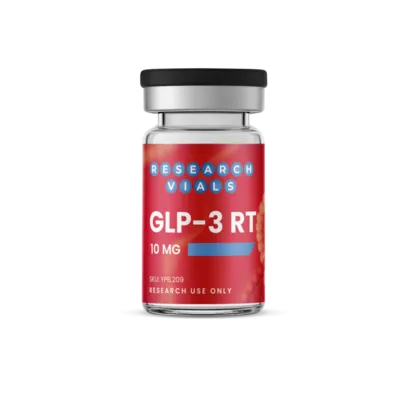
1. GLP-3 RT (Retatrutide Class) -- Triple GLP-1/GIP/Glucagon Agonist
GLP-3 RT occupies the top research position based on the remarkable Phase 2 data showing 24.2% mean body weight reduction at 48 weeks -- the largest reported for any metabolic compound in controlled trials. The triple receptor mechanism simultaneously suppresses appetite (GLP-1R, GIPR), enhances insulin sensitivity (GLP-1R, GIPR), and increases energy expenditure (GCGR), creating a comprehensive metabolic intervention (Jastreboff et al., 2023; PMID: 37351564).
Mechanism: Simultaneous GLP-1R + GIPR + GCGR agonism. Appetite suppression, improved glucose handling, increased thermogenesis, hepatic fat oxidation.
Key advantage: Only compound class demonstrating ~90% hepatic steatosis resolution in clinical sub-studies.
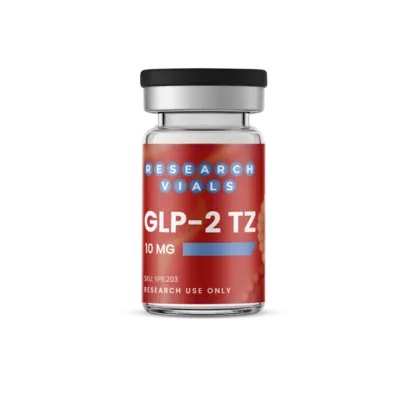
2. GLP-2 TZ (Tirzepatide Class) -- Dual GLP-1/GIP Agonist
GLP-2 TZ (tirzepatide analog) ranks second based on extensive Phase 3 clinical data. SURMOUNT-1 demonstrated 20.9% mean weight reduction at 72 weeks, and SURPASS-2 showed superiority over semaglutide for both weight and glycemic endpoints. The dual mechanism offers improved tolerability over GLP-1-only agonists while providing greater metabolic effects (Jastreboff et al., 2022; PMID: 35658024).
Mechanism: GLP-1R + GIPR dual agonism. Appetite suppression, enhanced beta-cell function, improved adipose tissue lipid handling.
Key advantage: Largest body of Phase 3 clinical data among dual/triple agonists.
Tier 2: Established Preclinical Evidence
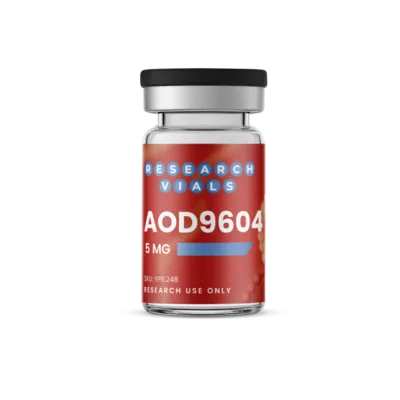
3. AOD-9604 -- Modified hGH Fragment
AOD-9604 is a modified fragment (amino acids 177-191) of human growth hormone with a tyrosine addition at the N-terminus. It was designed to retain the lipolytic activity of growth hormone while eliminating its growth-promoting and diabetogenic effects. In preclinical models, AOD-9604 stimulated lipolysis and inhibited lipogenesis in adipose tissue without affecting IGF-1 levels or glucose tolerance (Heffernan et al., 2001; PMID: 11713213).
Mechanism: Stimulates beta-3 adrenergic receptor-mediated lipolysis, inhibits lipogenic enzymes (fatty acid synthase, acetyl-CoA carboxylase), does not bind GH receptor.
Evidence level: Multiple preclinical studies; limited human clinical data from early-phase trials showing modest weight effects.
4. 5-Amino-1MQ -- NNMT Inhibitor
5-Amino-1-methylquinolinium (5-Amino-1MQ) represents an entirely different mechanistic approach: selective inhibition of nicotinamide N-methyltransferase (NNMT). NNMT is an enzyme highly expressed in adipose tissue that methylates nicotinamide, depleting the NAD+ salvage pathway and reducing cellular energy expenditure. In diet-induced obesity models, NNMT inhibition with 5-Amino-1MQ reduced body weight by ~7%, decreased adipocyte size, and lowered total cholesterol without affecting food intake (Neelakantan et al., 2018; PMID: 29907091).
Mechanism: NNMT inhibition increases intracellular NAD+ and SAM (S-adenosylmethionine), upregulating cellular energy expenditure and lipid oxidation pathways.
Key advantage: Oral bioavailability; does not suppress appetite (works through energy expenditure alone).

5. SLU-PP-332 -- ERR Agonist (Exercise Mimetic)
SLU-PP-332 is a synthetic agonist of the estrogen-related receptor (ERR) family -- transcription factors that regulate mitochondrial biogenesis, oxidative phosphorylation, and fatty acid metabolism. It has been described as an "exercise mimetic" because it activates the same transcriptional programs induced by endurance exercise. In mouse models, SLU-PP-332 increased running endurance, enhanced mitochondrial content in skeletal muscle, and reduced adiposity without changes in food intake (Kim et al., 2023).
Mechanism: ERR-alpha/gamma agonism activates PGC-1alpha-dependent mitochondrial biogenesis, increases oxidative metabolism in skeletal muscle, and shifts substrate utilization toward fatty acid oxidation.
Key advantage: Unique mechanism -- mimics exercise adaptation at the transcriptional level.

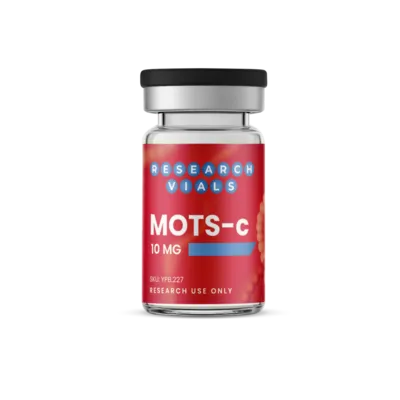
6. MOTS-c -- Mitochondrial-Derived Peptide
MOTS-c (Mitochondrial Open reading frame of the Twelve S rRNA type-c) is a 16-amino acid peptide encoded by the mitochondrial genome. It represents a completely novel class of signaling molecules: mitochondrial-derived peptides (MDPs) that communicate mitochondrial status to the nucleus and peripheral tissues. MOTS-c activates AMPK, the master cellular energy sensor, and translocates to the nucleus to regulate gene expression through direct chromatin binding (Lee et al., 2015; PMID: 25738459).
Mechanism: AMPK activation, nuclear translocation and gene regulation, enhanced glucose uptake, improved insulin sensitivity. Acts as a retrograde signal from mitochondria to nucleus.
Key advantage: Endogenous human peptide with a unique mitochondrial-nuclear signaling mechanism.
Metabolic Research Peptides: At a Glance
| Compound | Mechanism | Evidence Level | Price |
|---|---|---|---|
| GLP-3 RT | Triple agonist (GLP-1/GIP/GCGR) | Phase 2 RCT | $71 |
| GLP-2 TZ | Dual agonist (GLP-1/GIP) | Phase 3 RCT | $73 |
| AOD-9604 | hGH fragment / lipolysis | Preclinical + early clinical | $120 |
| 5-Amino-1MQ | NNMT inhibitor | Preclinical | $36 |
| SLU-PP-332 | ERR agonist (exercise mimetic) | Preclinical | $60 |
| MOTS-c | AMPK activator / MDP | Preclinical | $35 |
Designing Multi-Compound Metabolic Studies
For researchers investigating metabolic pathways, using multiple compounds with distinct mechanisms provides several advantages. A well-designed study might include a GLP-receptor agonist (GLP-2 TZ or GLP-3 RT) as the primary intervention, with 5-Amino-1MQ or MOTS-c as mechanistically distinct comparators. This allows attribution of effects to specific pathways (appetite suppression vs energy expenditure vs lipid metabolism) rather than compound-specific effects.
When combining compounds, researchers should consider potential pharmacodynamic interactions. For example, combining a GLP-receptor agonist (which suppresses appetite) with an ERR agonist (which increases energy expenditure without appetite effects) could theoretically produce complementary metabolic effects -- though this hypothesis requires empirical validation.
References
- Jastreboff AM, Kaplan LM, Frias JP, et al. Triple-hormone-receptor agonist retatrutide for obesity. N Engl J Med. 2023;389(6):514-526. PMID: 37351564
- Jastreboff AM, Aronne LJ, Ahmad NN, et al. Tirzepatide once weekly for the treatment of obesity. N Engl J Med. 2022;387(3):205-216. PMID: 35658024
- Heffernan MA, Thorburn AW, Fam B, et al. Increase of fat oxidation and weight loss in obese mice by chronic treatment with human growth hormone or a modified C-terminal fragment. Int J Obes. 2001;25(10):1442-1449. PMID: 11673764
- Neelakantan H, Vance V, Wetzel MD, et al. Selective and membrane-permeable small molecule inhibitors of nicotinamide N-methyltransferase reverse high fat diet-induced obesity in mice. Biochem Pharmacol. 2018;147:141-152. PMID: 29107091
- Lee C, Zeng J, Drew BG, et al. The mitochondrial-derived peptide MOTS-c promotes metabolic homeostasis and reduces obesity and insulin resistance. Cell Metab. 2015;21(3):443-454. PMID: 25738459
Frequently Asked Questions
Research Use Only Disclaimer: All products referenced in this article are sold exclusively for laboratory research purposes. They are not intended for human or veterinary use, food additive use, drug use, or household use. This article is educational content based on published preclinical literature and does not constitute medical advice.