Angiogenesis — the formation of new blood vessels from existing vasculature — is a rate-limiting step in tissue repair. Without adequate blood supply, healing cells lack the oxygen and nutrients needed to rebuild damaged tissue. The VEGF signaling pathway is the master regulator of this process, and several research peptides have been shown to modulate it. Understanding this pathway is essential for interpreting peptide-mediated repair data.
VEGF Signaling Basics
The VEGF family includes VEGF-A, VEGF-B, VEGF-C, VEGF-D, and PlGF. For tissue repair research, VEGF-A (commonly called simply "VEGF") binding to VEGFR2 (also called Flk-1 or KDR) is the critical interaction. This binding activates intracellular kinase cascades — primarily PI3K/Akt and MAPK/ERK pathways — that promote endothelial cell proliferation, migration, survival, and tube formation (the assembly of new capillary networks).
VEGF in the Repair Context
After tissue injury, local VEGF expression rises as part of the inflammatory response. Macrophages, platelets, and hypoxic tissue cells all release VEGF. This creates a pro-angiogenic microenvironment that supports granulation tissue formation — the vascularized, temporary tissue that fills wound defects before organized repair tissue forms.
When VEGF signaling is impaired (as in diabetic wounds, aged tissue, or after radiation), healing is delayed precisely because new blood vessel formation fails. This makes VEGF modulation a high-value therapeutic target.
BPC-157 and VEGF
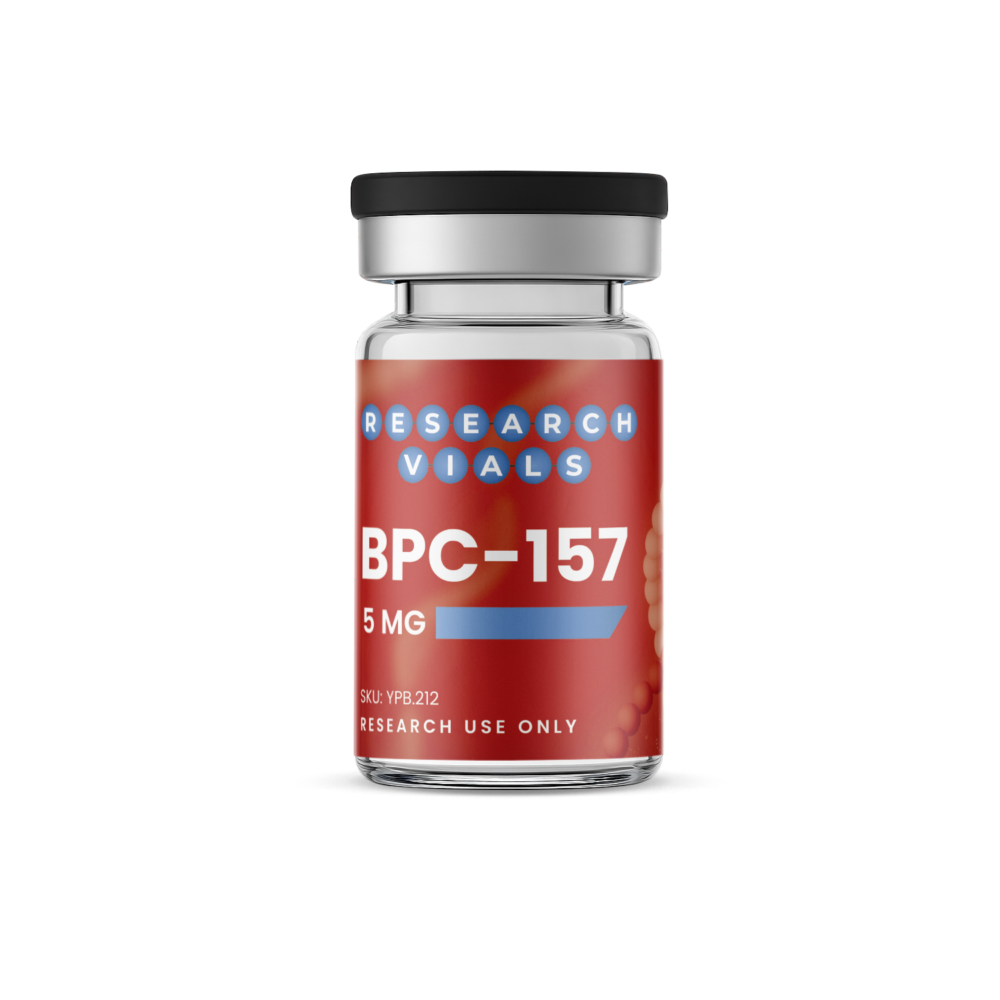
BPC-157 has been shown to upregulate VEGF-A and VEGFR2 expression in multiple injury models. In ligated vessel models, BPC-157 promoted rapid neovascularization with dose-dependent VEGF increases. In tendon repair models, BPC-157-treated tissues showed elevated VEGF expression concurrent with improved healing mechanics. The VEGF-angiogenesis axis appears central to BPC-157's tissue repair effects across organ systems.
TB-500 and Angiogenesis
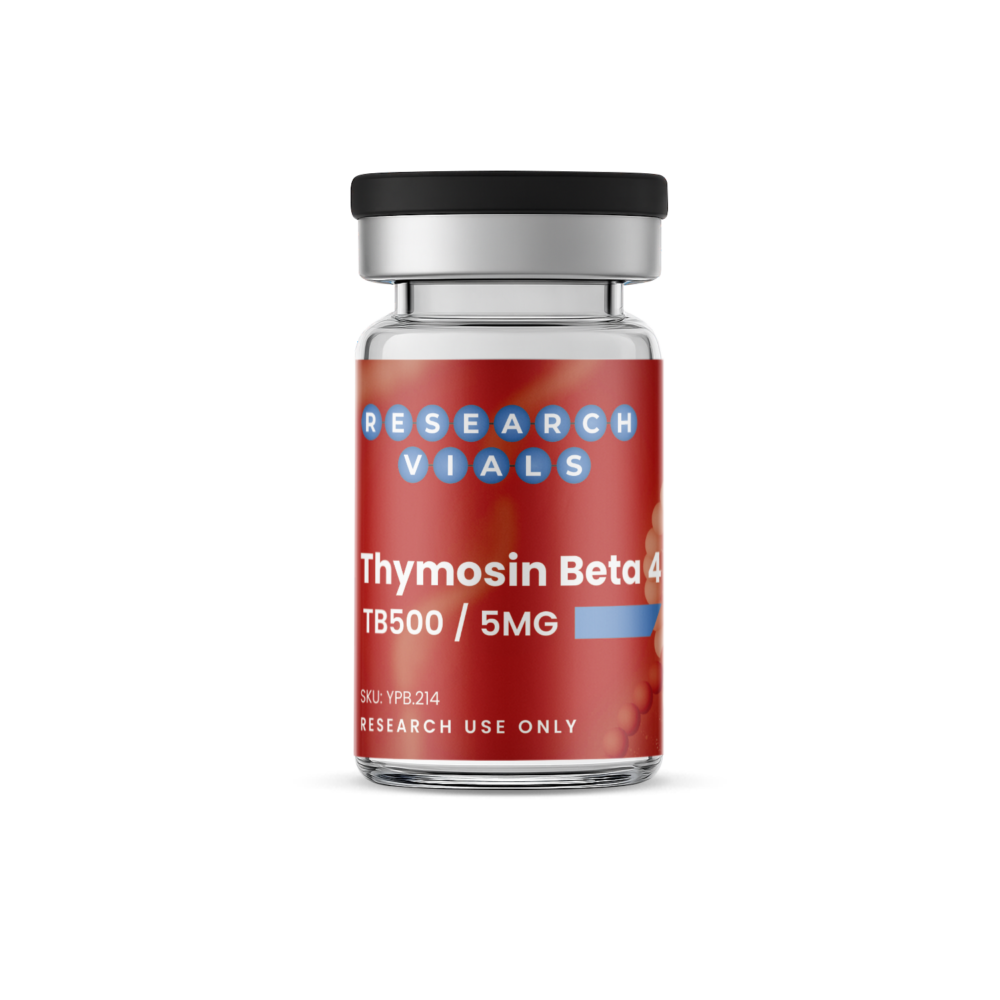
TB-500 promotes angiogenesis through a VEGF-independent mechanism — primarily by promoting endothelial cell migration via actin dynamics regulation. However, TB-500 has also been shown to upregulate VEGF in some models, suggesting both direct (cell migration) and indirect (VEGF-mediated) pro-angiogenic activity.
GHK-Cu and Vascular Support
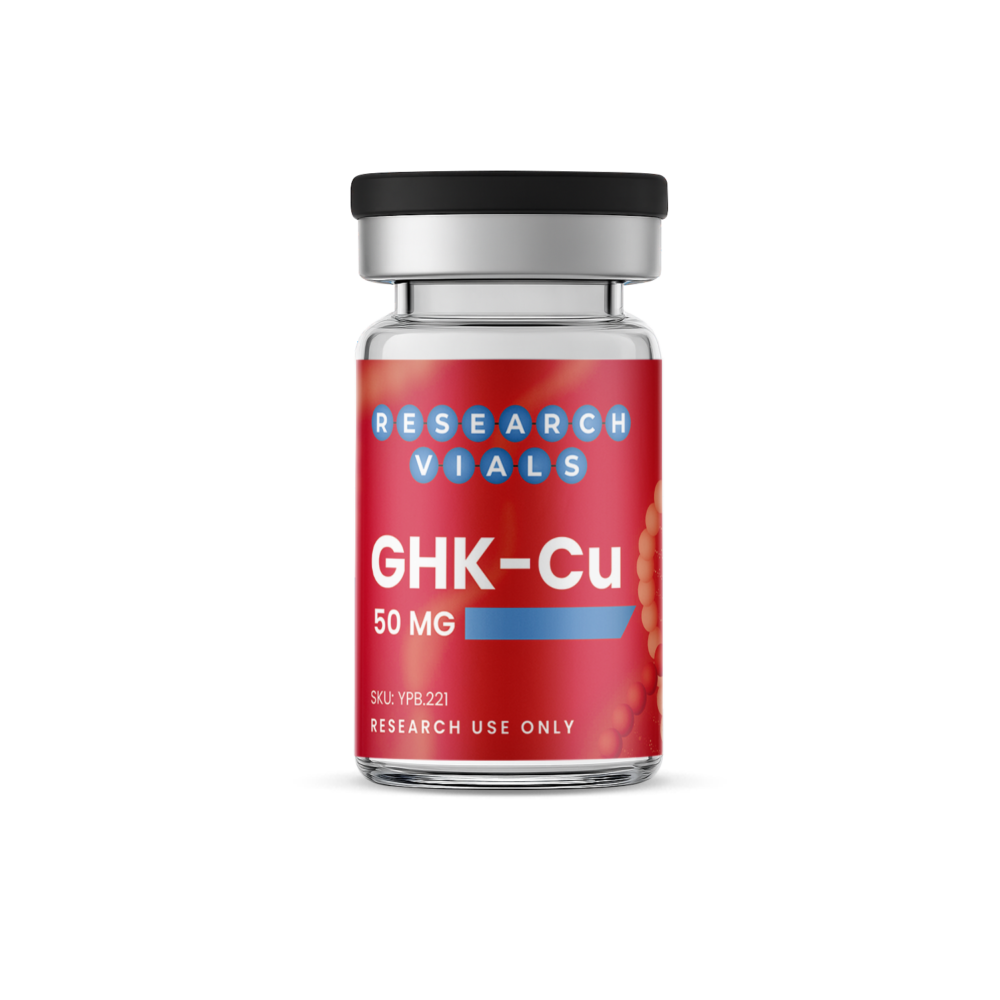
GHK-Cu supports angiogenesis through copper-dependent mechanisms. Copper is a required cofactor for several angiogenic enzymes, and GHK-Cu's targeted copper delivery to repair sites may facilitate VEGF-initiated angiogenesis at the enzymatic level.
Implications for Research Design
Researchers studying peptide-mediated repair should include VEGF/VEGFR2 expression assays as standard endpoints. Immunohistochemistry for CD31 (PECAM-1) can quantify new vessel density. Understanding whether a peptide promotes angiogenesis primarily through VEGF upregulation (BPC-157), cell migration (TB-500), or enzymatic support (GHK-Cu) informs combination rationales and mechanistic interpretation.
Research Peptides for VEGF Studies
BPC-157, TB-500, and GHK-Cu are all available at researchvials.com for angiogenesis and tissue repair research protocols.
Frequently Asked Questions
Research Use Only Disclaimer: All products referenced in this article are sold exclusively for laboratory research purposes. They are not intended for human or veterinary use, food additive use, drug use, or household use. This article is educational content based on published preclinical literature and does not constitute medical advice.