Cognitive research has identified several peptides with documented effects on neurotrophic factors, synaptic plasticity, and neuroprotection. Unlike stimulant-based cognitive enhancers that modulate neurotransmitter levels directly, peptide nootropics primarily work through neurotrophic growth factor pathways — a fundamentally different and potentially more durable approach to cognitive enhancement research.
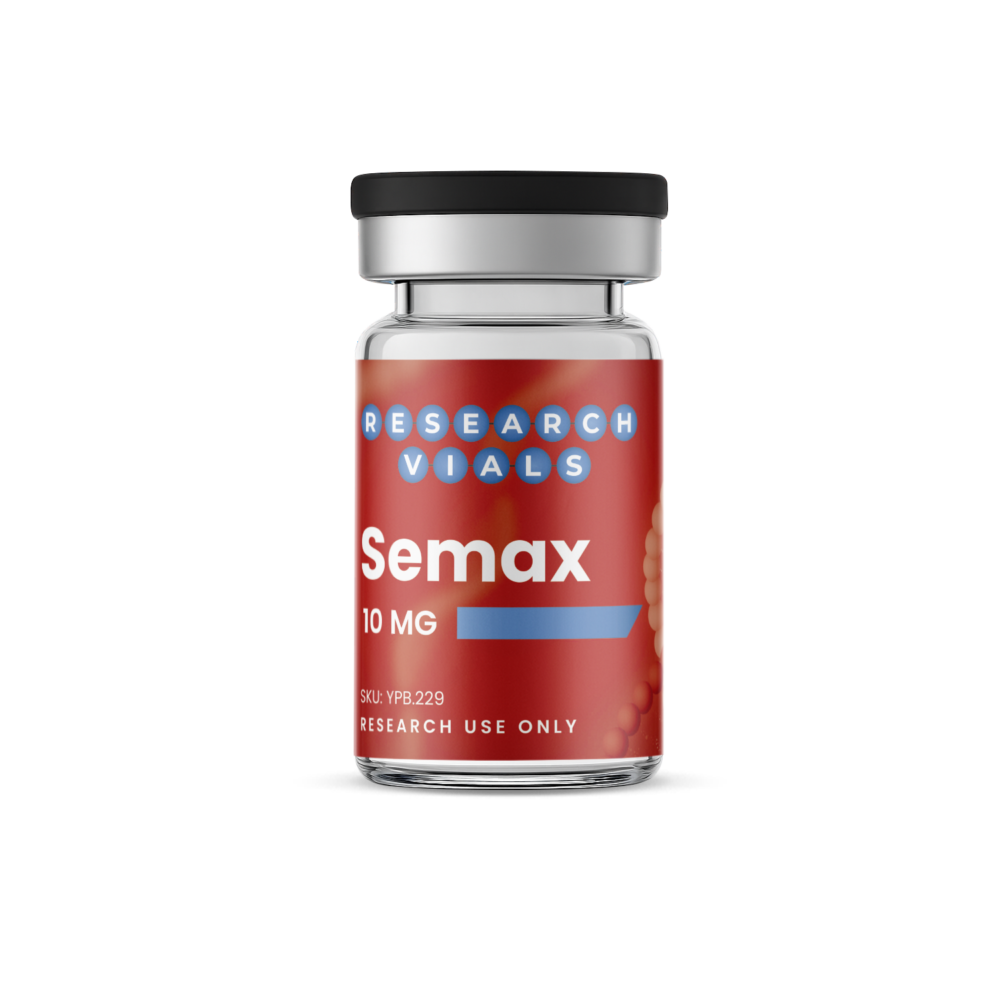
1. Semax — The BDNF Powerhouse
Primary mechanism: Potent BDNF and NGF upregulation | Regulatory status: Approved in Russia for cognitive enhancement and stroke | Strongest evidence: Memory consolidation, neuroprotection, cerebrovascular recovery
Semax's ACTH(4-10) core provides direct neurotrophic activity without hormonal effects. Its BDNF upregulation is the most robustly documented of any peptide nootropic, making it the first choice for research specifically targeting neurotrophic factor pathways. Available at researchvials.com.
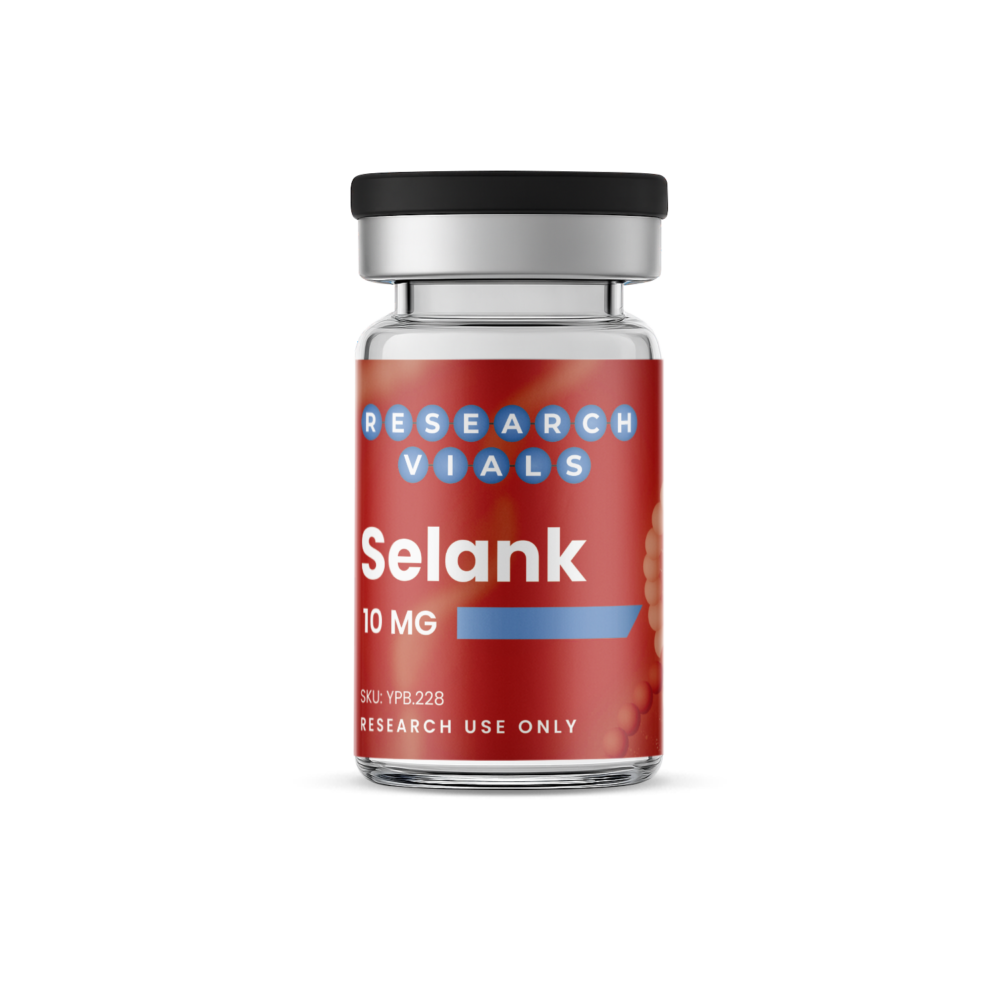
2. Selank — Anxiolytic + Cognitive
Primary mechanism: GABAergic modulation, BDNF upregulation | Regulatory status: Approved in Russia as anxiolytic | Strongest evidence: Anxiety models, immune-cognitive intersection
For research at the anxiety-cognition interface — where anxiety impairs cognitive performance — Selank provides a unique dual-action profile. Its tuftsin-derived immunomodulatory properties also make it relevant for neuroimmunology research.
3. BPC-157 — The Unexpected Nootropic
While primarily known for tissue repair, BPC-157's dopaminergic and serotonergic modulation, peripheral nerve repair activity, and gut-brain axis effects have positioned it as a secondary research tool in cognitive paradigms — particularly for researchers studying the neurological consequences of systemic injury or the gut-brain connection.
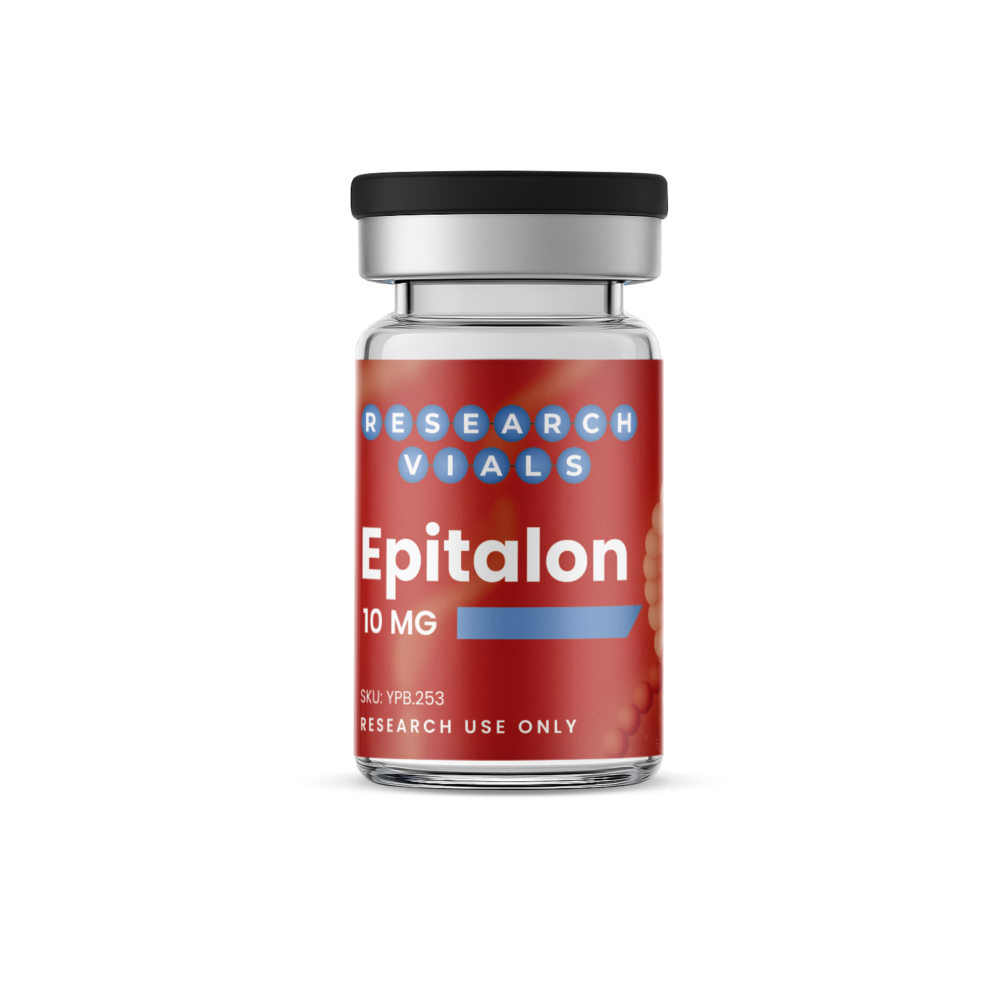
4. Epitalon — Neuroprotection via Pineal Restoration
Epitalon's melatonin-restorative effects have indirect cognitive implications through circadian rhythm normalization and antioxidant-mediated neuroprotection. For research on age-related cognitive decline — where pineal dysfunction is a documented contributor — Epitalon offers a unique intervention point.
All Available at Research Vials
Semax, Selank, BPC-157, and Epitalon are all available in research-grade lyophilized form at researchvials.com with third-party COA documentation.
Frequently Asked Questions
Research Use Only Disclaimer: All products referenced in this article are sold exclusively for laboratory research purposes. They are not intended for human or veterinary use, food additive use, drug use, or household use. This article is educational content based on published preclinical literature and does not constitute medical advice.