
Metabolic research in 2026 benefits from an unprecedented diversity of research chemicals targeting distinct metabolic pathways. From incretin receptor agonists that have transformed clinical obesity treatment to novel small molecules targeting intracellular energy sensors, researchers now have tools to interrogate metabolism at every level -- from systemic appetite regulation to cellular mitochondrial function. This guide profiles the major compound classes, compares their mechanisms, and provides practical guidance for metabolic study design.
The 2026 Metabolic Research Landscape
Metabolic research has entered what many call a "golden age," driven by clinical breakthroughs with incretin-based therapies and parallel advances in understanding intracellular energy regulation. The available research compound toolkit now spans five distinct mechanistic categories:
- Incretin receptor agonists: GLP-1, GLP-1/GIP dual, and GLP-1/GIP/glucagon triple agonists
- Growth hormone pathway compounds: Modified GH fragments targeting peripheral lipid metabolism
- Cellular energy sensor modulators: NNMT inhibitors, AMPK activators, and sirtuin pathway modulators
- Transcription factor agonists: ERR agonists and PPAR modulators targeting metabolic gene programs
- Mitochondrial-derived peptides: Endogenous mitochondrial signaling molecules with metabolic regulatory functions
Category 1: Incretin Receptor Agonists
Incretin-based compounds represent the largest evidence base and the most clinically advanced metabolic research tools available.
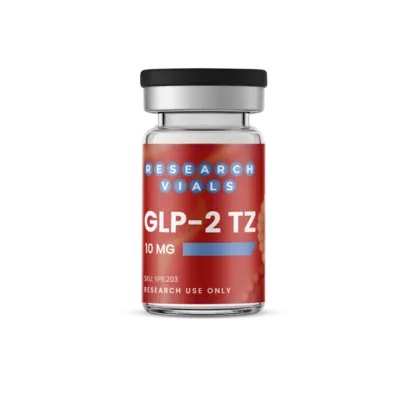
GLP-2 TZ (Dual GLP-1/GIP Agonist)
The tirzepatide class represents dual incretin receptor engagement. With Phase 3 clinical data showing 20.9% mean weight reduction (SURMOUNT-1) and head-to-head superiority over semaglutide (SURPASS-2), GLP-2 TZ provides the most extensively validated dual-agonist research tool. Its GIP-preferring profile makes it particularly useful for studying the contribution of GIP receptor activation to metabolic outcomes.
Key applications: Metabolic syndrome models, glycemic regulation studies, incretin synergy research, adipose tissue biology
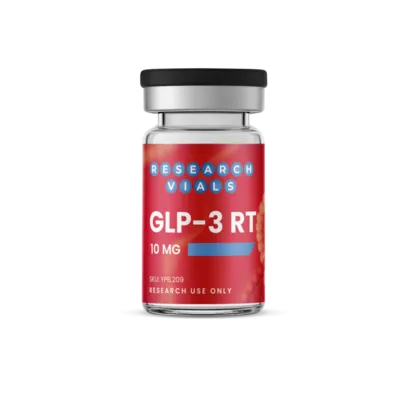
GLP-3 RT (Triple GLP-1/GIP/Glucagon Agonist)
The retatrutide class adds glucagon receptor agonism to the dual incretin foundation. Phase 2 data showing 24.2% weight loss and ~90% hepatic steatosis resolution makes this the most metabolically comprehensive single compound available. The glucagon component specifically enhances energy expenditure and hepatic fat oxidation -- effects not achievable with GLP-1 or dual agonists alone.
Key applications: MASLD/MASH research, energy expenditure studies, comprehensive metabolic intervention, hepatic lipid metabolism
Category 2: Growth Hormone Pathway Compounds
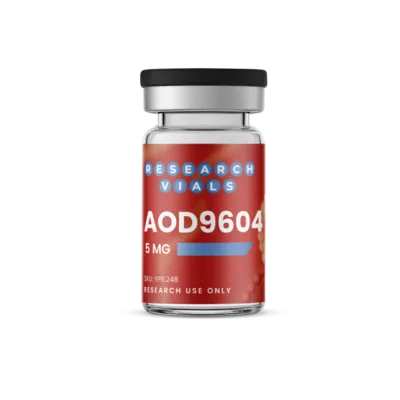
AOD-9604 (Modified hGH Fragment 177-191)
AOD-9604 isolates the lipolytic activity of human growth hormone without its growth-promoting or diabetogenic effects. By targeting peripheral adipose tissue metabolism directly, it provides a uniquely "clean" metabolic intervention -- no appetite effects, no GI side effects, no insulin impact. This makes it an excellent mechanistic control in metabolic studies where separating central appetite effects from peripheral metabolic effects is critical.
Key applications: Lipolysis research, adipose tissue biology, GH fragment pharmacology, combination studies requiring non-appetite metabolic intervention
Category 3: Cellular Energy Sensor Modulators
5-Amino-1MQ (NNMT Inhibitor)
5-Amino-1MQ selectively inhibits nicotinamide N-methyltransferase (NNMT), an enzyme that depletes the NAD+ salvage pathway in adipose tissue. By inhibiting NNMT, 5-Amino-1MQ increases intracellular NAD+ and S-adenosylmethionine (SAM), upregulating cellular energy expenditure and lipid oxidation. In diet-induced obesity models, it reduced body weight ~7% without affecting food intake -- confirming a purely metabolic (non-appetite) mechanism (Neelakantan et al., 2018; PMID: 29107091).
Key applications: NAD+ metabolism research, adipose tissue gene expression, epigenetic regulation (SAM is the universal methyl donor), obesity without appetite modulation

MOTS-c (Mitochondrial-Derived Peptide)
MOTS-c is a 16-amino acid peptide encoded by the mitochondrial genome (within the 12S rRNA gene). It activates AMPK, the master cellular energy sensor, and has the remarkable ability to translocate from cytoplasm to nucleus under stress conditions, where it directly regulates gene expression through chromatin binding. In preclinical models, MOTS-c improved insulin sensitivity, enhanced glucose uptake, and protected against diet-induced obesity (Lee et al., 2015; PMID: 25738459).
Key applications: Mitochondrial signaling research, AMPK pathway studies, insulin sensitivity models, exercise physiology, aging/longevity research
Category 4: Transcription Factor Agonists
SLU-PP-332 (ERR Agonist / Exercise Mimetic)
SLU-PP-332 activates the estrogen-related receptor (ERR) family of nuclear receptors -- the same transcription factors activated by endurance exercise. ERR activation upregulates PGC-1alpha-dependent mitochondrial biogenesis, increases oxidative phosphorylation capacity, and shifts substrate utilization toward fatty acid oxidation. In mouse models, SLU-PP-332 increased running endurance and reduced adiposity without altering food intake.
Key applications: Exercise physiology research, mitochondrial biogenesis studies, skeletal muscle metabolism, exercise mimetic pharmacology

Designing Multi-Compound Metabolic Studies
The diversity of available metabolic compounds enables sophisticated study designs that would have been impossible even five years ago. Here is a framework for multi-compound metabolic research:
Step 1: Define Your Primary Question
Is your research question about appetite (use incretin agonists), peripheral fat metabolism (use AOD-9604, 5-Amino-1MQ), energy expenditure (use SLU-PP-332, GLP-3 RT), or cellular energy sensing (use MOTS-c, 5-Amino-1MQ)?
Step 2: Select Primary and Comparator Compounds
Choose a primary compound that directly targets your pathway and a mechanistically distinct comparator. For example:
- Appetite vs metabolism: GLP-2 TZ (appetite + insulin) vs AOD-9604 (metabolism only)
- Central vs peripheral: GLP-3 RT (central + peripheral) vs 5-Amino-1MQ (peripheral only)
- Receptor agonism vs enzyme inhibition: GLP-2 TZ (receptor agonist) vs 5-Amino-1MQ (enzyme inhibitor)
Step 3: Include Appropriate Controls
- Vehicle control (reconstitution solvent alone)
- Positive control (compound with established effects in your model)
- Pair-fed control (when using appetite-suppressing compounds, a pair-fed group isolates metabolic effects from reduced food intake)
Step 4: Measure Comprehensive Metabolic Parameters
A well-designed metabolic study should capture:
- Body weight and composition (DEXA or MRI where available)
- Food intake (pair-feeding protocols when relevant)
- Glucose tolerance (OGTT or ITT)
- Lipid profiles (triglycerides, cholesterol fractions)
- Energy expenditure (indirect calorimetry where available)
- Tissue-specific endpoints (hepatic lipid content, adipocyte size, muscle fiber typing)
- Molecular endpoints (gene expression, protein phosphorylation, mitochondrial function)
Sourcing Research Compounds
All metabolic research compounds discussed in this guide are available from Research Vials with third-party testing and batch-specific COAs:
| Compound | Category | Price |
|---|---|---|
| GLP-2 TZ | Dual incretin agonist | $73 |
| GLP-3 RT | Triple incretin agonist | $71 |
| AOD-9604 | hGH fragment | $120 |
| 5-Amino-1MQ | NNMT inhibitor | $36 |
| SLU-PP-332 | ERR agonist | $60 |
| MOTS-c | Mitochondrial peptide | $35 |
All products ship from the USA with cold-chain packaging and are available at researchvials.com.
References
- Jastreboff AM, Aronne LJ, Ahmad NN, et al. Tirzepatide once weekly for the treatment of obesity. N Engl J Med. 2022;387(3):205-216. PMID: 35658024
- Jastreboff AM, Kaplan LM, Frias JP, et al. Triple-hormone-receptor agonist retatrutide for obesity. N Engl J Med. 2023;389(6):514-526. PMID: 37351564
- Heffernan MA, Thorburn AW, Fam B, et al. Increase of fat oxidation and weight loss in obese mice. Int J Obes. 2001;25(10):1442-1449. PMID: 11673764
- Neelakantan H, Vance V, Wetzel MD, et al. Selective and membrane-permeable small molecule inhibitors of nicotinamide N-methyltransferase. Biochem Pharmacol. 2018;147:141-152. PMID: 29107091
- Lee C, Zeng J, Drew BG, et al. The mitochondrial-derived peptide MOTS-c promotes metabolic homeostasis. Cell Metab. 2015;21(3):443-454. PMID: 25738459
Frequently Asked Questions
Research Use Only Disclaimer: All products referenced in this article are sold exclusively for laboratory research purposes. They are not intended for human or veterinary use, food additive use, drug use, or household use. This article is educational content based on published preclinical literature and does not constitute medical advice.