
Starting peptide research can be overwhelming. The field spans organic chemistry, molecular biology, pharmacology, and analytical science -- and published protocols often assume expertise that newer researchers are still developing. This guide provides a structured, practical introduction to peptide research: what you need to know before your first experiment, how to set up your workflow, and how to avoid the common mistakes that waste compounds and time.
What Are Research Peptides?
Peptides are short chains of amino acids linked by peptide bonds. While the boundary between "peptide" and "protein" is somewhat arbitrary, peptides are generally defined as sequences of 2-50 amino acids, while proteins are longer. Most research peptides fall in the 5-50 amino acid range, with molecular weights between 500 and 6,000 Da.
Why Peptides Matter for Research
Peptides offer several advantages as research tools compared to small molecules or recombinant proteins:
- Target specificity: Peptides can be designed to interact with specific receptors, enzymes, or protein-protein interfaces with high selectivity
- Biological relevance: Many research peptides are analogs of endogenous signaling molecules, providing physiologically relevant interventions
- Synthetic accessibility: Modern solid-phase peptide synthesis (SPPS) can produce most sequences at high purity in reasonable timeframes
- Modifiable: Amino acid substitutions, cyclization, PEGylation, and lipidation can be used to modify activity, stability, and pharmacokinetics
Essential Peptide Chemistry
Amino Acid Structure
All amino acids share a common backbone -- amino group (NH2), carboxyl group (COOH), and a side chain (R group) attached to the alpha carbon. The 20 standard amino acids differ only in their side chains, which determine their physical and chemical properties (charge, polarity, hydrophobicity).
Peptide Bond Formation
Peptide bonds form through a condensation reaction between the carboxyl group of one amino acid and the amino group of the next, releasing a water molecule. This bond is thermodynamically stable but kinetically labile -- it resists spontaneous hydrolysis but can be cleaved by proteolytic enzymes.
Naming Conventions
Peptide sequences are written from N-terminus (amino end) to C-terminus (carboxyl end), using either the three-letter code (Gly-Ala-Val) or one-letter code (GAV). Understanding this convention is essential for reading product specifications and published literature.
Setting Up Your Peptide Lab
Essential Equipment
- Analytical balance: 0.1 mg resolution minimum. For weighing lyophilized peptides, 0.01 mg resolution is preferred but not essential for most applications
- Micropipettes: Calibrated set covering 1-10 mcL, 10-100 mcL, 100-1000 mcL ranges. Use tips appropriate for the solvent (standard tips for aqueous solutions, specialized tips for organic solvents)
- Vortex mixer: For gentle mixing of reconstituted peptides. Avoid vigorous vortexing of protein/peptide solutions
- Refrigerator (2-8C): For reconstituted peptide storage
- Freezer (-20C): For lyophilized peptide storage
- pH meter: For adjusting buffer pH when required
Consumables
- Bacteriostatic water: The standard reconstitution solvent for most research peptides. Contains 0.9% benzyl alcohol as a preservative, extending reconstituted solution stability
- Sterile saline (0.9% NaCl): For dilutions and vehicle controls
- Microcentrifuge tubes: Polypropylene, low-binding types preferred for peptide solutions to minimize surface adsorption
- Syringes and needles: For reconstitution and aliquoting. Use appropriate gauge for the application
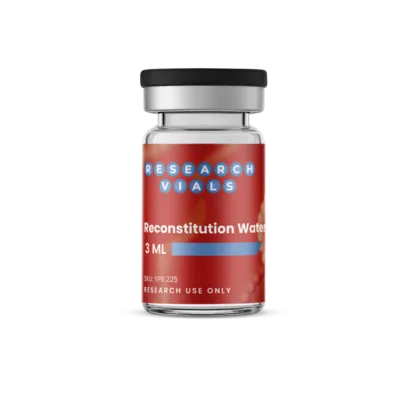
Reconstitution: The Critical Step
Reconstitution -- dissolving a lyophilized peptide in an appropriate solvent -- is where many new researchers make costly mistakes. Follow this protocol:
Step-by-Step Protocol
- Equilibrate: Remove the lyophilized vial from the freezer and allow it to reach room temperature (15-20 minutes). Opening a cold vial introduces moisture condensation into the powder
- Calculate volume: Determine how much solvent to add based on your desired concentration. Use the Research Vials reconstitution calculator for precise calculations
- Add solvent slowly: Direct the solvent stream against the vial wall, allowing it to run down into the powder. Do not squirt directly onto the lyophilized cake
- Dissolve gently: Allow the peptide to dissolve naturally for 1-2 minutes. Then gently swirl the vial. Avoid vigorous shaking -- this creates foam and can denature the peptide through air-liquid interface stress
- Verify dissolution: The solution should be clear and colorless (most peptides). Cloudiness may indicate incomplete dissolution or precipitation -- if this occurs, warm slightly (hand temperature) and re-swirl
- Aliquot: Divide the reconstituted solution into single-use aliquots to avoid repeated freeze-thaw cycles
- Store: Reconstituted aliquots at 2-8C for short-term use (2-4 weeks) or -20C for longer-term storage
Conducting a Literature Review
Before working with any peptide, a thorough literature review is essential:
PubMed Search Strategy
- Start broad: Search the peptide name (e.g., "BPC-157") to find all published articles
- Check reviews: Filter by "Review" article type to find comprehensive reviews that summarize the field
- Identify key groups: Note which research groups have published most extensively on the compound
- Examine methods: In primary research articles, focus on the Methods section for dosing, routes of administration, and experimental design
- Assess evidence quality: Prioritize randomized controlled studies > observational studies > case reports > in vitro studies
Recommended First Compounds
These peptides are well-suited for researchers beginning their peptide research program:
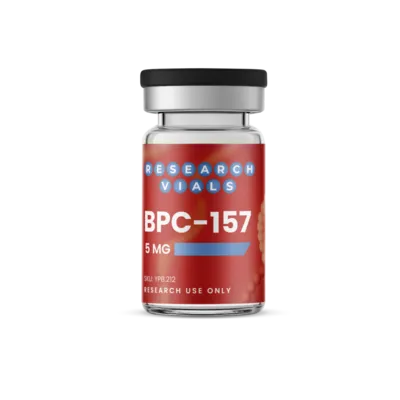
BPC-157 (Body Protection Compound-157)
The ideal starting peptide: extensive published literature (100+ preclinical studies), excellent water solubility, stable in solution, well-characterized dose-response data (standard 10 mcg/kg in rodent models), and multiple tissue targets for diverse research applications. Available at $35 from Research Vials.
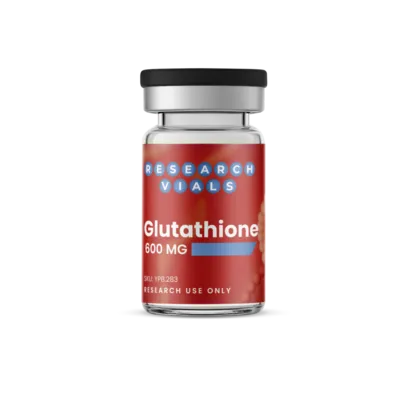
Glutathione
The body's master antioxidant -- a tripeptide (Glu-Cys-Gly) involved in oxidative stress, detoxification, and immune function research. Its well-understood biochemistry makes it an accessible entry point for understanding peptide function. Available at $34.
Common Beginner Mistakes to Avoid
- Skipping the literature review: Using doses, solvents, or routes of administration without published precedent wastes compounds and produces uninterpretable results
- Improper reconstitution: Vigorous shaking, using the wrong solvent, or reconstituting while the vial is still cold from the freezer
- Repeated freeze-thaw cycles: Each cycle degrades the peptide. Always aliquot into single-use volumes
- Ignoring peptide content: The mass on the label includes counter-ions and water. Actual peptide content may be 60-80% of total mass
- Not running controls: Always include vehicle control (solvent without peptide) and, ideally, a positive control (known active compound) in your experimental design
- Poor record keeping: Record lot numbers, reconstitution dates, storage conditions, and calculations. Reproducibility depends on detailed records
Additional Resources
- Reconstitution Calculator -- free tool for calculating reconstitution volumes
- Research Protocols -- standardized protocols for common peptide research applications
- Research Blog -- in-depth articles on individual peptides, mechanisms, and methodology
Frequently Asked Questions
Research Use Only Disclaimer: All products referenced in this article are sold exclusively for laboratory research purposes. They are not intended for human or veterinary use, food additive use, drug use, or household use. This article is educational content based on published preclinical literature and does not constitute medical advice.