The decline of NAD+ with age has emerged as one of the most actionable findings in longevity research. This coenzyme — essential for over 500 enzymatic reactions — drops by approximately 50% between ages 40 and 60 in human tissue studies. The functional consequences of this decline, and the effects of restoring NAD+ levels, have become a central focus of aging science.
NAD+ in Cellular Function
NAD+ serves two fundamental roles: as an electron carrier in metabolic reactions (accepting and donating electrons in the citric acid cycle and oxidative phosphorylation) and as a substrate consumed by enzymes including sirtuins (SIRT1-7), PARPs (poly-ADP-ribose polymerases), and CD38. The latter role means NAD+ is continuously consumed and must be regenerated — creating a supply-demand balance that shifts unfavorably with age.
NAD+ and Sirtuins
Sirtuins are a family of NAD+-dependent deacetylases and ADP-ribosyltransferases that regulate genomic stability, mitochondrial function, inflammatory responses, and metabolic flux. SIRT1 (nuclear) deacetylates key transcription factors including PGC-1alpha (mitochondrial biogenesis), FOXO (stress resistance), and NF-kB (inflammation). Without adequate NAD+, sirtuin activity is impaired.
The NAD+ Decline in Aging
Multiple mechanisms drive age-related NAD+ decline: increased activity of the NAD+-consuming enzyme CD38 (which rises with chronic inflammation), reduced expression of NAD+ biosynthetic enzymes (NAMPT), and increased PARP activity due to accumulating DNA damage. The result is a vicious cycle where NAD+ depletion impairs the very repair mechanisms (sirtuins, PARPs) needed to maintain cellular health.
NAD+ Restoration Research
In aged mice, NAD+ supplementation has reversed mitochondrial dysfunction, improved insulin sensitivity, enhanced stem cell function, reduced inflammatory markers, and — in some studies — extended lifespan. These findings have been replicated across multiple laboratories and model organisms, establishing NAD+ restoration as one of the most reproducible interventions in aging research.
Research-Grade NAD+
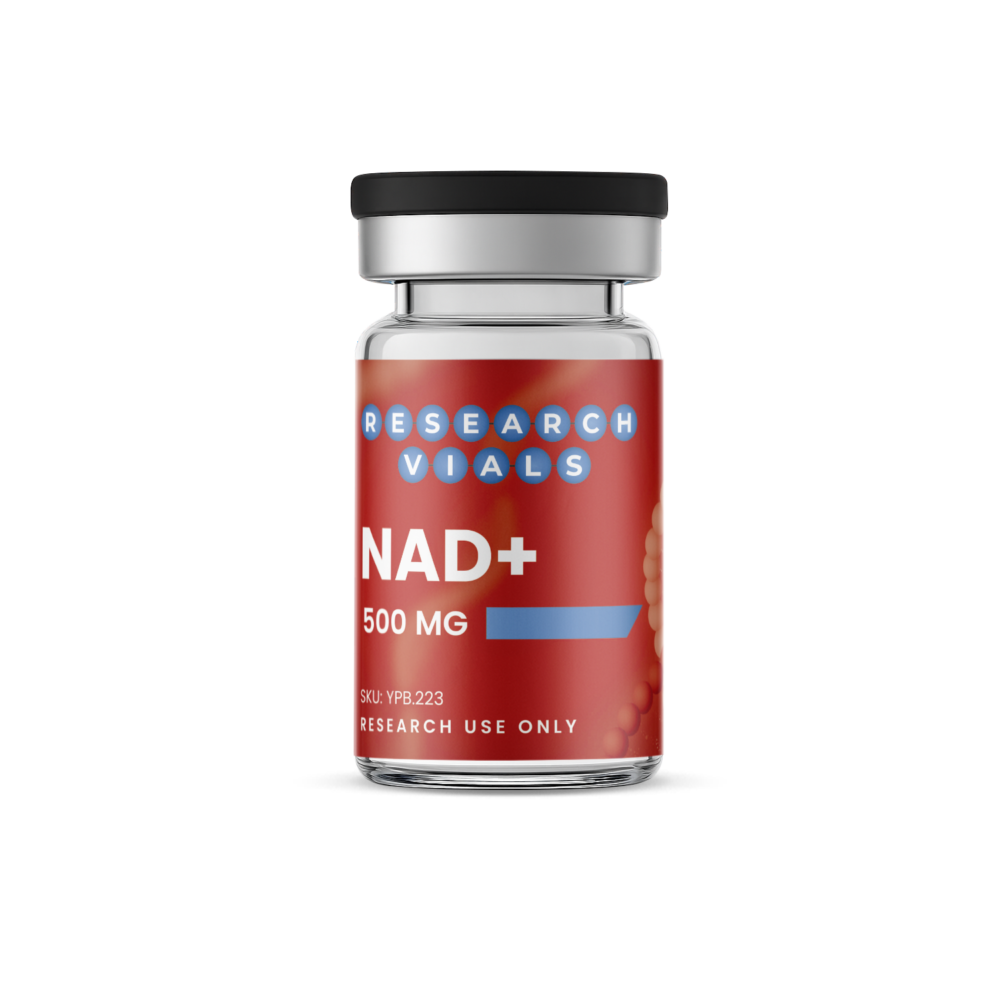
NAD+ is available in 500mg and 1000mg lyophilized form at researchvials.com for metabolic and longevity research protocols.
Frequently Asked Questions
Research Use Only Disclaimer: All products referenced in this article are sold exclusively for laboratory research purposes. They are not intended for human or veterinary use, food additive use, drug use, or household use. This article is educational content based on published preclinical literature and does not constitute medical advice.