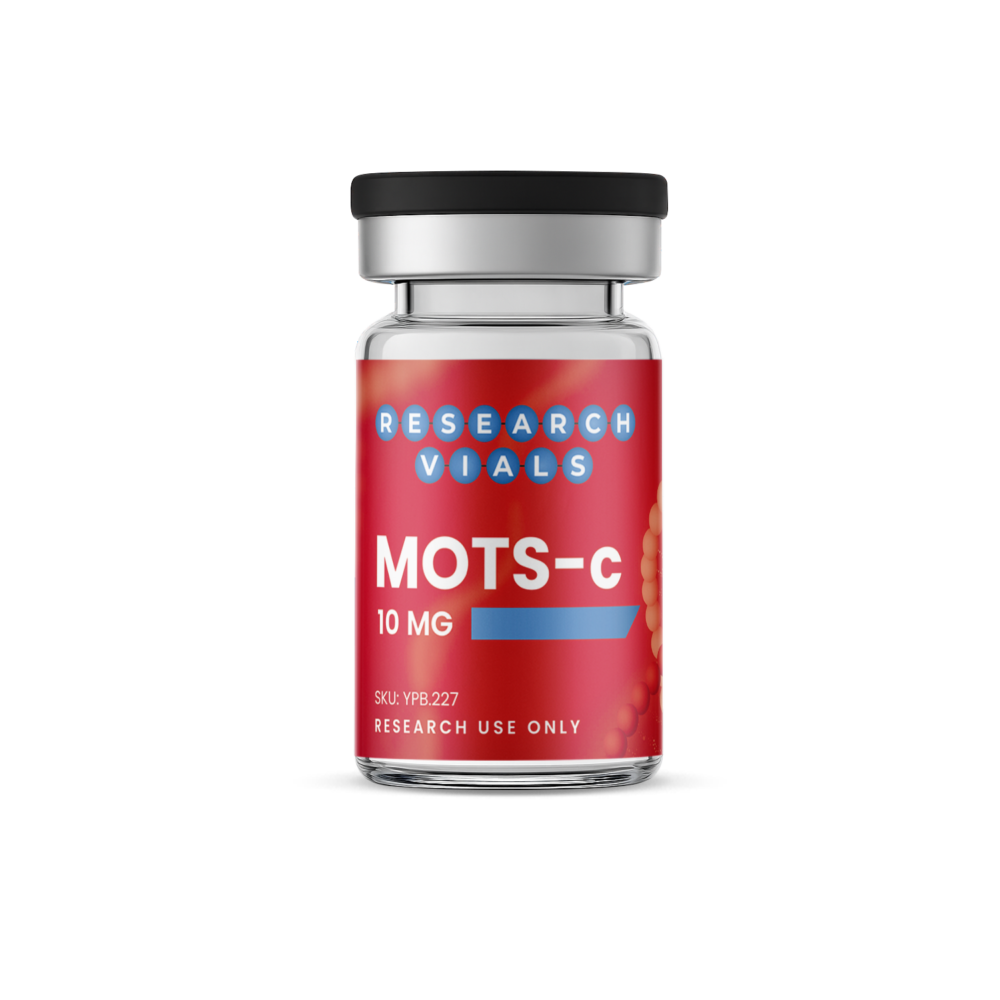
The discovery of MOTS-c in 2015 fundamentally changed our understanding of mitochondrial signaling. As the first peptide encoded within the mitochondrial genome shown to translocate to the nucleus and regulate gene expression, MOTS-c revealed that mitochondria communicate with the nuclear genome through peptide signals — a finding with profound implications for metabolic and aging research.
Discovery and Significance
MOTS-c was identified by Changhan Lee and colleagues at the University of Southern California when they discovered that the mitochondrial 12S rRNA gene contains an open reading frame encoding a 16-amino acid peptide. This was unexpected because mitochondrial rRNA was thought to function exclusively as a structural component of mitochondrial ribosomes. The finding that it also encodes a bioactive signaling peptide introduced the concept of mitochondrial-derived peptides (MDPs) as a new class of retrograde signaling molecules (Lee et al., 2015; PMID: 25738459).
AMPK Activation: The Exercise Connection
MOTS-c's primary documented mechanism is activation of AMPK (AMP-activated protein kinase), the master cellular energy sensor. AMPK activation triggers a cascade of metabolic adaptations: increased glucose uptake, enhanced fatty acid oxidation, mitochondrial biogenesis, and inhibition of energy-consuming anabolic processes. These are the same adaptations produced by physical exercise, earning MOTS-c the designation of "exercise mimetic" in published literature.
Critically, MOTS-c was shown to translocate from mitochondria to the nucleus under metabolic stress, where it directly regulates nuclear gene expression — specifically genes involved in the folate cycle and de novo purine biosynthesis. This retrograde mitochondria-to-nucleus signaling represents a novel communication pathway (Lee et al., 2015).
Metabolic Research Applications
In diet-induced obesity models, MOTS-c treatment prevented weight gain, improved insulin sensitivity, and reduced hepatic lipid accumulation. In aged mice, MOTS-c administration improved physical performance on treadmill tests and restored metabolic parameters toward youthful levels. The peptide's effects on glucose homeostasis are particularly robust — it enhances both insulin-dependent and insulin-independent glucose uptake mechanisms.
Aging Research
MOTS-c levels decline with age in both rodent and human studies, paralleling the decline in metabolic function and exercise capacity. This age-related decline, combined with the peptide's ability to restore metabolic parameters in aged models, has made MOTS-c a focus of geroscience research. The concept that a mitochondrial-encoded peptide might serve as a circulating "mitokine" linking mitochondrial function to systemic metabolism is actively being investigated.
Research-Grade MOTS-c
MOTS-c is available in 10mg and 40mg lyophilized vials at researchvials.com.
References
- Lee C, et al. The mitochondrial-derived peptide MOTS-c promotes metabolic homeostasis and reduces obesity and insulin resistance. Cell Metab. 2015;21(3):443-54. PMID: 25738459
- Kim KH, et al. Mitochondrial-derived peptides in aging and age-related diseases. GeroScience. 2021;43(3):1113-21. PMID: 33051835
Frequently Asked Questions
Research Use Only Disclaimer: All products referenced in this article are sold exclusively for laboratory research purposes. They are not intended for human or veterinary use, food additive use, drug use, or household use. This article is educational content based on published preclinical literature and does not constitute medical advice.