No peptide category has generated more research attention in 2025-2026 than GLP-1 receptor agonists. The clinical breakthroughs of semaglutide and tirzepatide have triggered an explosion of research into incretin biology, dual/triple agonism, and novel metabolic targets. For researchers working in this space, understanding the current landscape — and what's coming next — is essential.
GLP-1 Receptor Signaling
GLP-1 is an incretin hormone released from intestinal L-cells in response to food intake. Binding to GLP-1R on pancreatic beta cells stimulates glucose-dependent insulin secretion. In the CNS, GLP-1R activation in hypothalamic appetite centers reduces food intake and promotes satiety. In the stomach, it slows gastric emptying. These multi-organ effects make GLP-1R a uniquely powerful metabolic target.
The Current Research Landscape
Single agonists: Semaglutide (GLP-1R selective) established the clinical and research paradigm. Its success demonstrated that potent, long-acting GLP-1R agonism produces meaningful metabolic improvements across obesity, type 2 diabetes, and cardiovascular risk reduction.
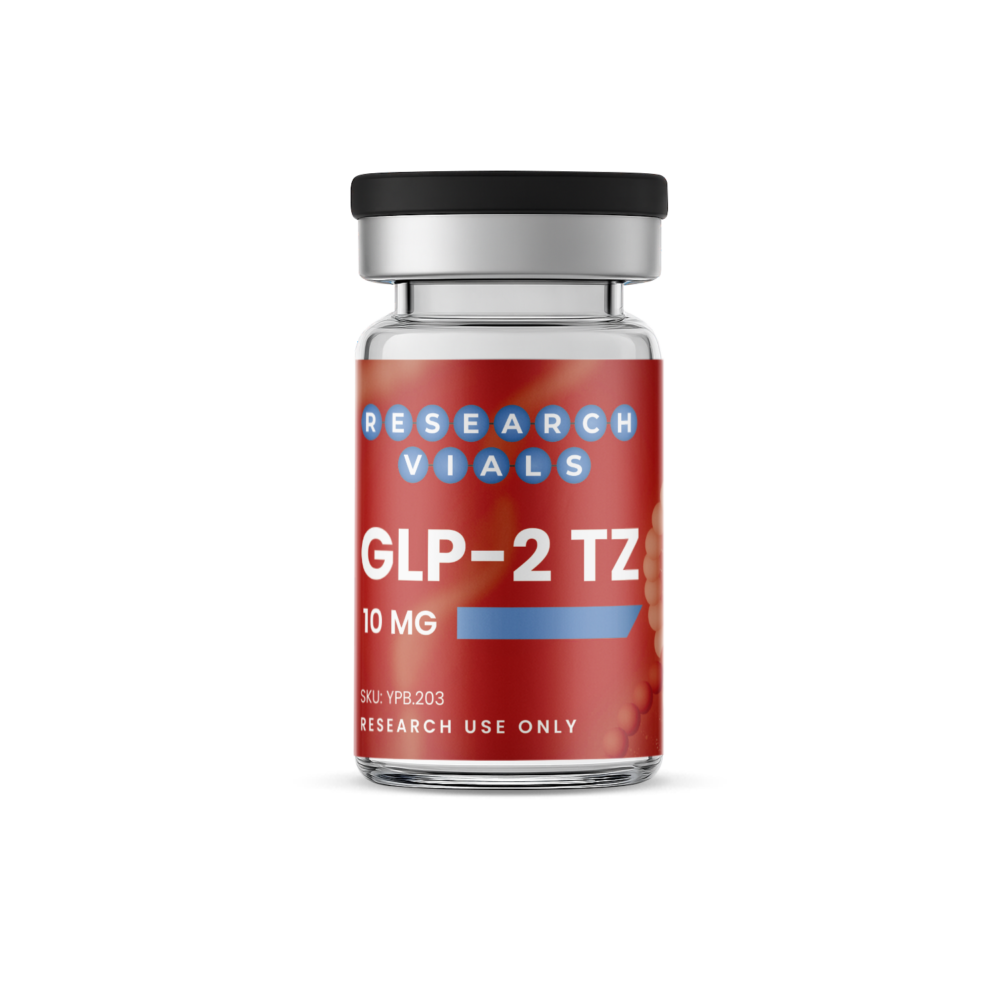
Dual agonists: Tirzepatide (GIP/GLP-1R dual agonist) showed superior weight loss to semaglutide in clinical trials, demonstrating that multi-receptor approaches can amplify metabolic effects. This has driven intense research into optimal receptor combinations.
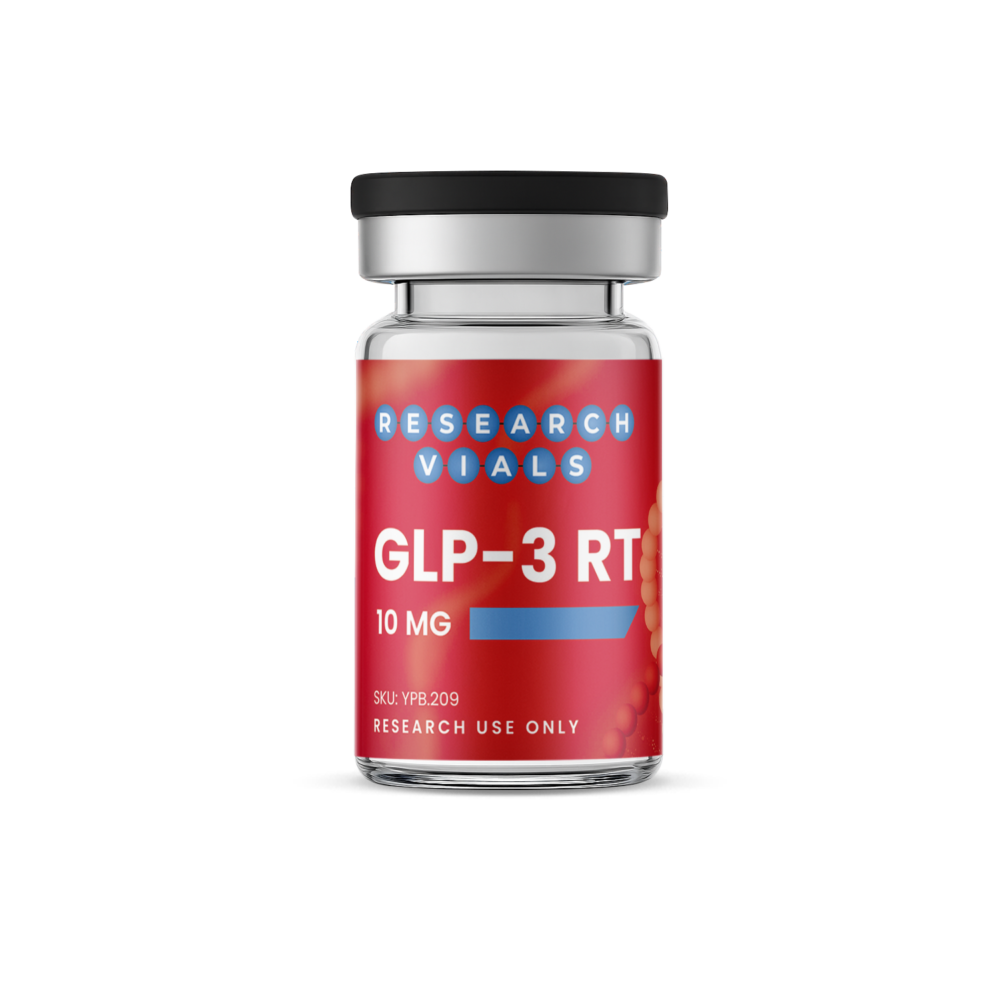
Triple agonists: Retatrutide (GIP/GLP-1R/GCGR triple agonist) represents the next frontier, adding glucagon receptor agonism to the dual-agonist framework. Early clinical data showed unprecedented weight loss, but questions about safety margins with glucagon-mediated effects remain active research topics.
Next-Generation Research Directions
Active research areas include: oral formulations (overcoming peptide degradation in the GI tract), small molecule GLP-1R agonists (non-peptide alternatives), CNS-penetrant analogs (direct hypothalamic targeting), and combination approaches with non-incretin metabolic pathways.
GLP Receptor Agonists at Research Vials
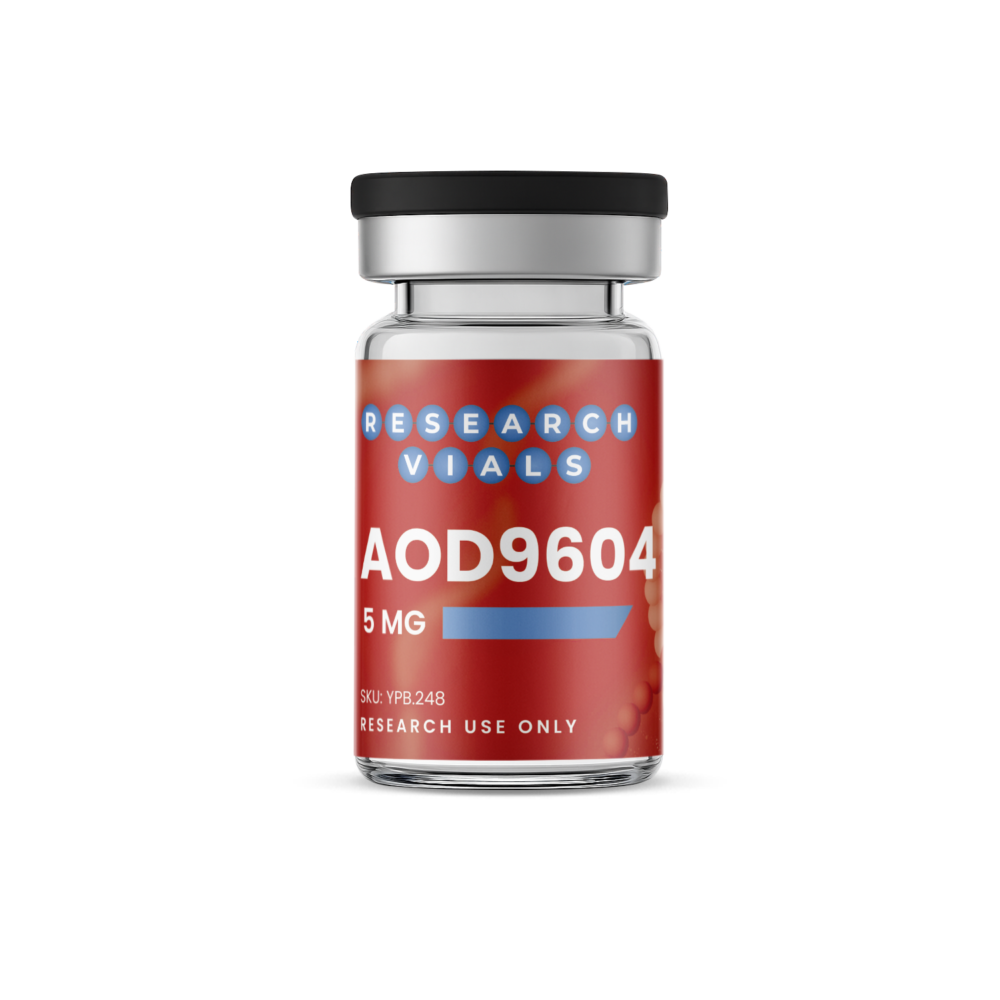
Research Vials stocks GLP-1, GLP-2, and GLP-3 receptor agonist research compounds including GLP-3 RT, GLP-2 TZ, and AOD-9604 for metabolic research protocols.
Frequently Asked Questions
Research Use Only Disclaimer: All products referenced in this article are sold exclusively for laboratory research purposes. They are not intended for human or veterinary use, food additive use, drug use, or household use. This article is educational content based on published preclinical literature and does not constitute medical advice.