This article is part of our comprehensive peptide research blog series. Full content is being prepared by the Research Vials Science Team and will be published on March 23, 2026.
Overview
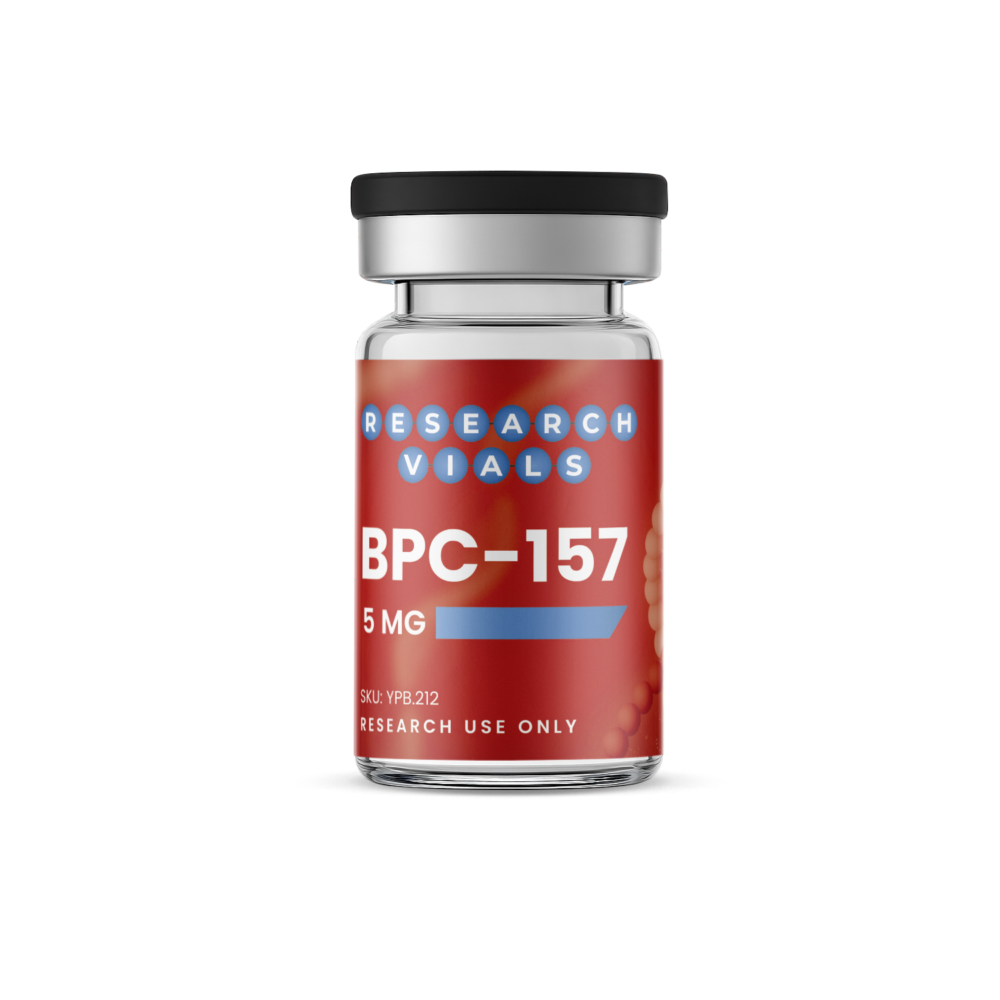
How BPC-157 and other repair peptides activate the FAK-paxillin signaling pathway to promote cell adhesion and migration during tissue repair.
Full Article Coming March 23, 2026
This in-depth research article is currently being finalized with PubMed citations, mechanism diagrams, and expert analysis. Check back on the publish date for the complete article, or browse our Research Blog for currently available articles.
In the meantime, explore related research products and educational resources at researchvials.com.
Frequently Asked Questions
Research Use Only Disclaimer: All products referenced in this article are sold exclusively for laboratory research purposes. They are not intended for human or veterinary use, food additive use, drug use, or household use. This article is educational content based on published preclinical literature and does not constitute medical advice.