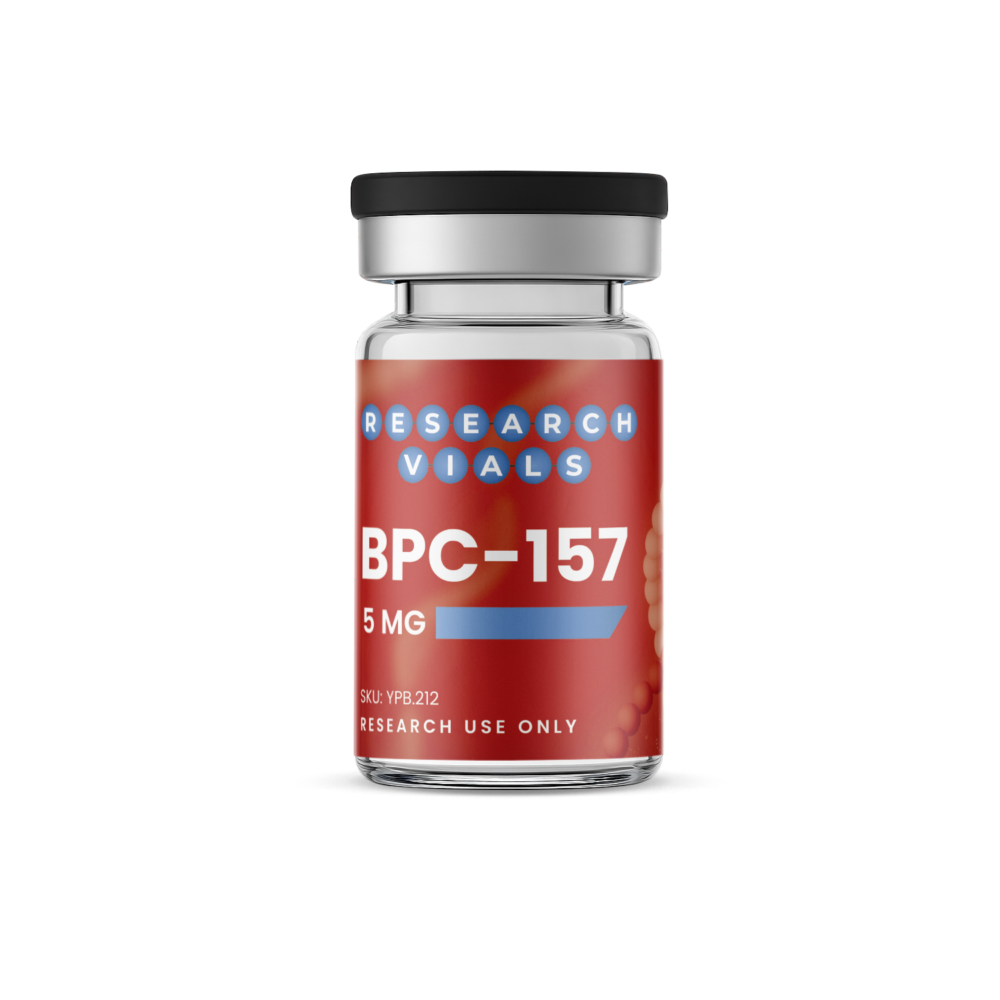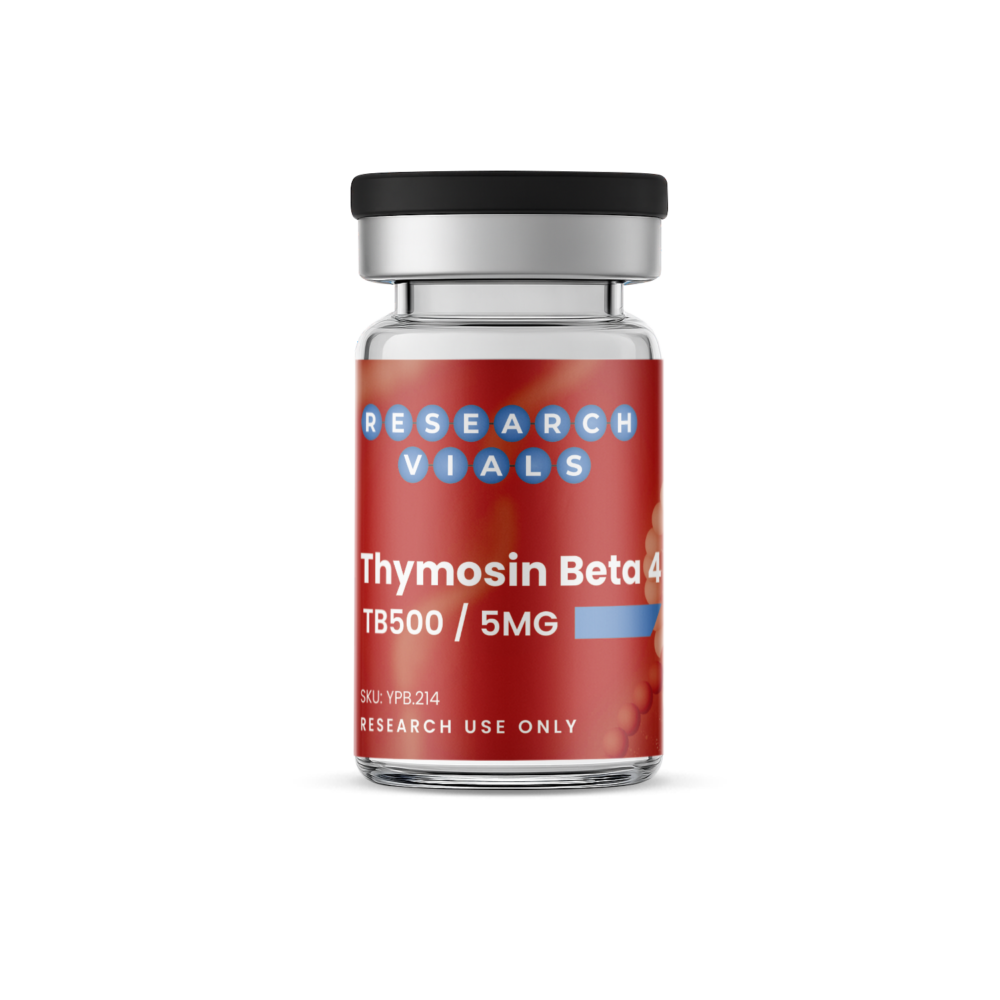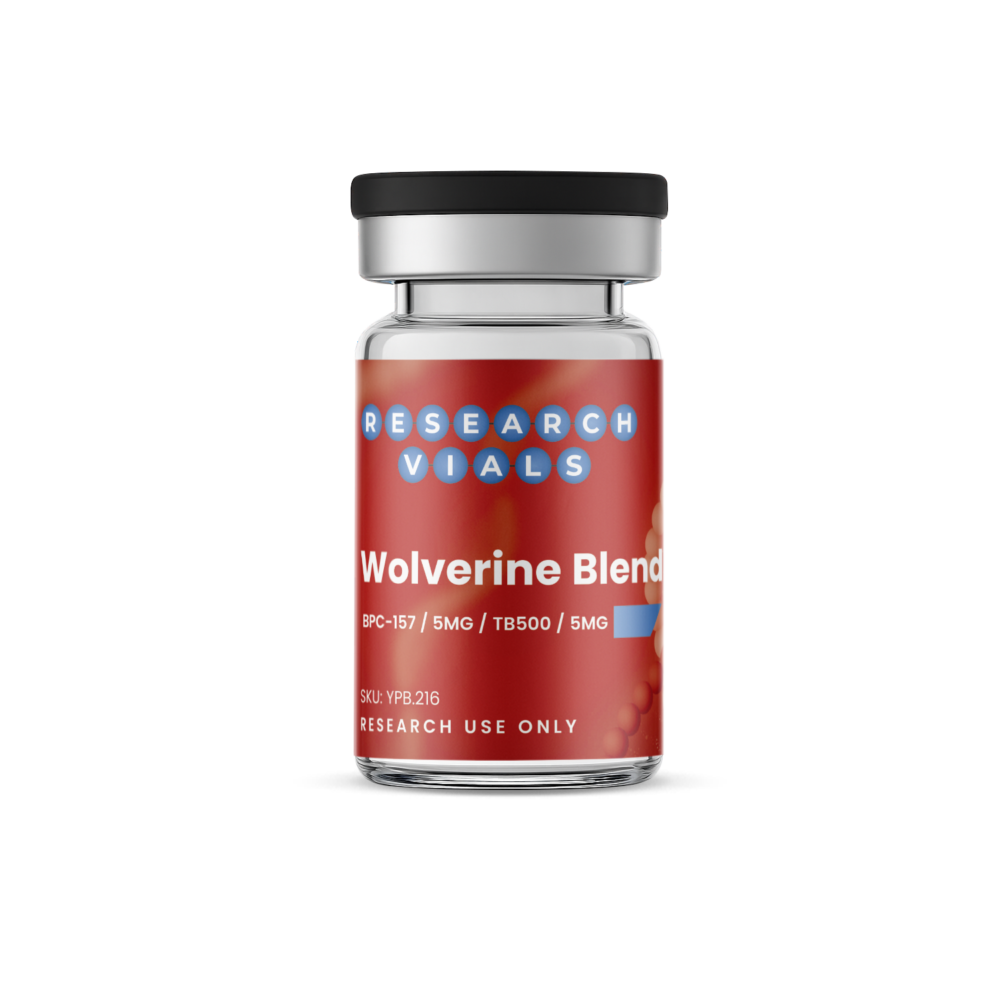
BPC-157 and TB-500 are the two most frequently discussed peptides in tissue repair research, yet they operate through fundamentally different mechanisms. Understanding these differences is essential for researchers designing repair-pathway studies — and explains why the combination of both peptides has become a research focus in its own right.
Side-by-Side Overview
| Feature | BPC-157 | TB-500 |
|---|---|---|
| Origin | Human gastric juice | Thymus gland (ubiquitous expression) |
| Size | 15 amino acids (1,419 Da) | 43 amino acids (4,921 Da) |
| Primary mechanism | VEGF upregulation, NO modulation | Actin sequestration, cell migration |
| Strongest research area | GI protection, tendon healing | Cardiac repair, wound healing |
| Oral stability | Stable in gastric juice | Not orally stable |
| Clinical trials | None published (RUO only) | Ophthalmic trials (RGN-259) |
| Published studies | 100+ preclinical | 80+ preclinical |
Mechanism Comparison: Different Paths to Repair
BPC-157: The VEGF/NO Modulator
BPC-157's tissue repair effects center on vascular and growth factor pathways. By upregulating VEGF and modulating the nitric oxide system bidirectionally, BPC-157 promotes angiogenesis and creates a vascular infrastructure that supports tissue regeneration. Its additional interactions with EGF, FGF, and the FAK-paxillin pathway provide multiple pro-repair signals simultaneously.
TB-500: The Cell Migration Promoter
TB-500 operates through a fundamentally different mechanism — regulation of actin dynamics. By sequestering G-actin monomers, TB-500 ensures a ready pool of actin is available for directed polymerization at the leading edge of migrating cells. This promotes the physical movement of repair cells (keratinocytes, endothelial cells, fibroblasts) into damaged tissue. TB-500 also activates the Akt/PI3K survival pathway, protecting cells from apoptosis during the repair process.
Research Strengths by Tissue Type
GI Protection: BPC-157 dominates this area with extensive data across gastric, intestinal, and colonic models. TB-500 has limited GI research data.
Tendon/Ligament: BPC-157 has stronger evidence here, with replicated studies showing improved tendon healing mechanics. TB-500 data in tendons is less extensive.
Cardiac Tissue: TB-500 has the edge, with landmark studies showing epicardial progenitor activation and reduced infarct size. BPC-157's cardiac data is more limited.
Corneal Healing: TB-500 has clear superiority, with clinical-stage data (RGN-259). BPC-157 has minimal ophthalmic research.
Muscle/Wound: Both peptides show strong effects. This overlapping activity makes combination research particularly relevant for musculoskeletal applications.
The Combination Rationale
The complementary mechanisms of BPC-157 (vascular support, growth factor upregulation) and TB-500 (cell migration, anti-apoptosis) provide a logical basis for combination research. BPC-157 builds the vascular infrastructure while TB-500 mobilizes repair cells — addressing two different bottlenecks in the tissue repair cascade. This is the rationale behind combination products like the Wolverine Blend available at Research Vials.
References
- Sikiric P, et al. BPC 157 and NO system. Curr Pharm Des. 2014;20(7):1126-35. PMID: 23755729
- Goldstein AL, et al. Thymosin beta4: actin-sequestering protein moonlights to repair injured tissues. Trends Mol Med. 2005;11(9):421-9. PMID: 16099219
Frequently Asked Questions
Research Use Only Disclaimer: All products referenced in this article are sold exclusively for laboratory research purposes. They are not intended for human or veterinary use, food additive use, drug use, or household use. This article is educational content based on published preclinical literature and does not constitute medical advice.