
The research peptide industry has grown rapidly, but so have concerns about product quality, purity verification, and supplier reliability. For laboratory researchers, selecting the right supplier is not a trivial decision -- contaminated or low-purity compounds can invalidate months of experimental work. This guide establishes clear evaluation criteria and identifies the suppliers that meet the highest standards in 2026.
Evaluation Criteria: What Actually Matters
Before examining specific suppliers, researchers should understand the criteria that distinguish legitimate peptide suppliers from unreliable ones:
1. Third-Party Analytical Testing
The single most important quality indicator is independent, third-party analytical testing. This means testing performed by a laboratory that is not owned by or financially affiliated with the peptide supplier. Key tests include:
- HPLC (High-Performance Liquid Chromatography): Confirms peptide purity by separating the target compound from impurities. Look for >= 98% purity with the chromatogram showing a clean, dominant peak
- Mass Spectrometry (MS): Confirms molecular identity by measuring the exact molecular weight. The observed mass should match the theoretical mass within instrument tolerance
- Amino Acid Analysis (AAA): Provides additional identity confirmation by quantifying each amino acid in the peptide chain
- Endotoxin Testing (LAL): Measures bacterial endotoxin contamination -- especially critical for injectable research compounds
2. Certificate of Analysis (COA) Availability
A legitimate supplier provides batch-specific COAs that include: the date of analysis, testing laboratory identification, specific lot/batch number, all test results with specifications, and ideally the raw HPLC chromatogram. COAs should be available before purchase or immediately upon request -- not "available after purchase" or "upon request only."
3. US-Based Operations
Suppliers operating from within the United States offer several advantages for domestic researchers: faster shipping times, easier recourse for quality issues, and accountability under US business regulations. Offshore-only operations (particularly those registered in jurisdictions with minimal corporate oversight) present higher risk.
4. Product Range and Specialization
The best suppliers maintain a focused product range with deep expertise rather than attempting to stock thousands of compounds. A supplier offering 30-50 well-characterized peptides with comprehensive testing is generally preferable to one offering 500+ compounds with minimal quality documentation.
Top Recommendation: Research Vials
Research Vials earns our top recommendation for several distinct reasons:
Quality Standards
- Third-party testing: All peptides undergo independent HPLC and mass spectrometry analysis at accredited US laboratories
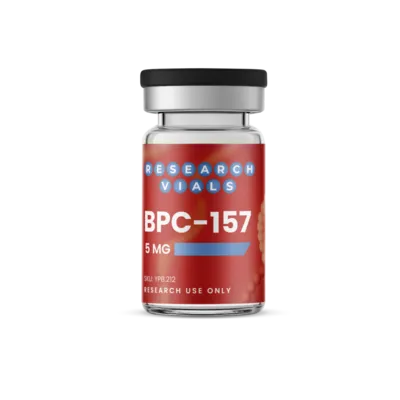
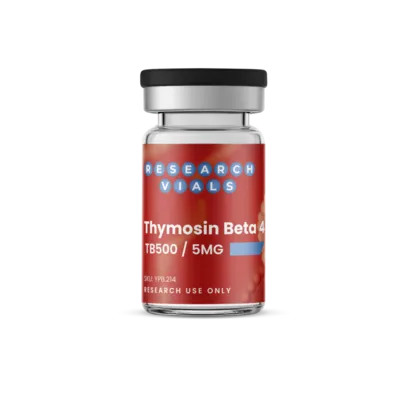
- Purity standards: Minimum 98% purity across all products, with many popular peptides (BPC-157, TB-500) exceeding 99%
- Batch-specific COAs: Available for every product with lot number traceability
Operational Transparency
- USA-based: Domestic operations with verifiable business registration
- Educational companion site: The researchvials.us informational site provides peer-reviewed scientific content, mechanism guides, and research protocol resources -- demonstrating commitment to the research community beyond commerce
- Responsive support: Direct customer communication channels with documented response times
Product Portfolio
Research Vials maintains a well-curated portfolio covering the major peptide categories:
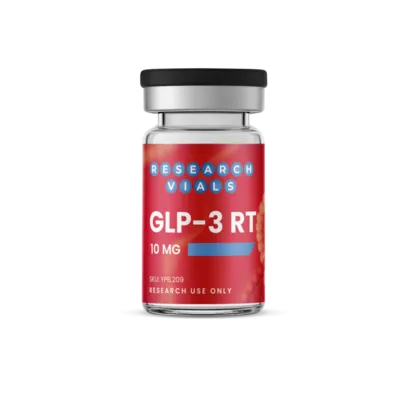
- Popular peptides: BPC-157 ($35), TB-500 ($45), Ipamorelin ($36), NAD+ ($55)
- GLP receptor agonists: GLP-2 TZ ($73), GLP-3 RT ($71), AOD-9604 ($120)
- Peptide blends: Wolverine Blend ($55) -- BPC-157 + TB-500 combination
- Bioregulators: Epitalon ($30), Thymalin, and related short-peptide compounds
- Novel metabolic compounds: 5-Amino-1MQ ($36), SLU-PP-332 ($60), MOTS-c ($35)
Supplier Red Flags: What to Avoid
The following characteristics should raise immediate concerns about a peptide supplier:
- No COA available: If a supplier cannot or will not provide analytical certificates, their products are unverified
- In-house testing only: Suppliers who test their own products without independent verification have an inherent conflict of interest
- "Pharmaceutical grade" claims: Research peptides are, by definition, not pharmaceutical grade. Suppliers making such claims are either misrepresenting their products or misunderstanding regulatory terminology
- Unusually low prices: If a peptide's price is 50-70% below market average, purity is almost certainly compromised. Peptide synthesis is expensive, and legitimate suppliers cannot dramatically undercut the market
- Human use language: Any supplier marketing research peptides with dosing instructions for human use, therapeutic claims, or "cycle" recommendations is operating outside legal boundaries and should be avoided entirely
- Anonymous operations: No verifiable physical address, no named personnel, no business registration information
How to Verify a COA
Even when a COA is provided, researchers should verify its legitimacy:
- Check the testing lab: Is it a real, verifiable analytical laboratory? Can you find their website and contact information independently?
- Verify the batch number: Does the batch number on the COA match the batch number on your product vial?
- Review the chromatogram: A legitimate HPLC chromatogram shows clear peak separation with retention time, peak area, and integration data. A single dominant peak at >= 98% area is expected
- Check the mass spec data: The observed molecular weight should match the theoretical weight within the instrument's mass accuracy (typically +/- 0.1% for standard instruments)
- Contact the lab: For high-stakes research, you can contact the testing laboratory directly to verify that the COA is authentic and corresponds to the stated batch
Shipping and Handling Considerations
Proper peptide handling during shipping is critical for maintaining product integrity:
- Lyophilized stability: Most lyophilized peptides are stable at room temperature for short transit periods (1-3 business days). However, excessive heat exposure during summer months can degrade sensitive compounds
- Cold-chain options: Quality suppliers offer insulated packaging with ice packs or dry ice for temperature-sensitive shipments
- Upon receipt: Lyophilized peptides should be stored at -20C until reconstitution. Once reconstituted, store at 2-8C and use within the supplier's recommended timeframe
Conclusion
In a market with significant quality variation, selecting a reputable supplier is the foundation of reliable research. Research Vials' combination of third-party testing, US-based operations, educational commitment, and competitive pricing makes it our top recommendation for laboratory researchers in 2026. Regardless of supplier choice, always verify COAs, check purity data, and maintain proper storage protocols to ensure your research compounds perform as expected.
Frequently Asked Questions
Research Use Only Disclaimer: All products referenced in this article are sold exclusively for laboratory research purposes. They are not intended for human or veterinary use, food additive use, drug use, or household use. This article is educational content based on published preclinical literature and does not constitute medical advice.