Tissue repair research represents one of the most active areas of peptide investigation, with multiple compounds now backed by substantial preclinical evidence. For researchers designing repair-pathway studies, choosing the right peptide — or combination — requires understanding each compound's mechanism, evidence depth, and tissue-specificity. Here's the current landscape.
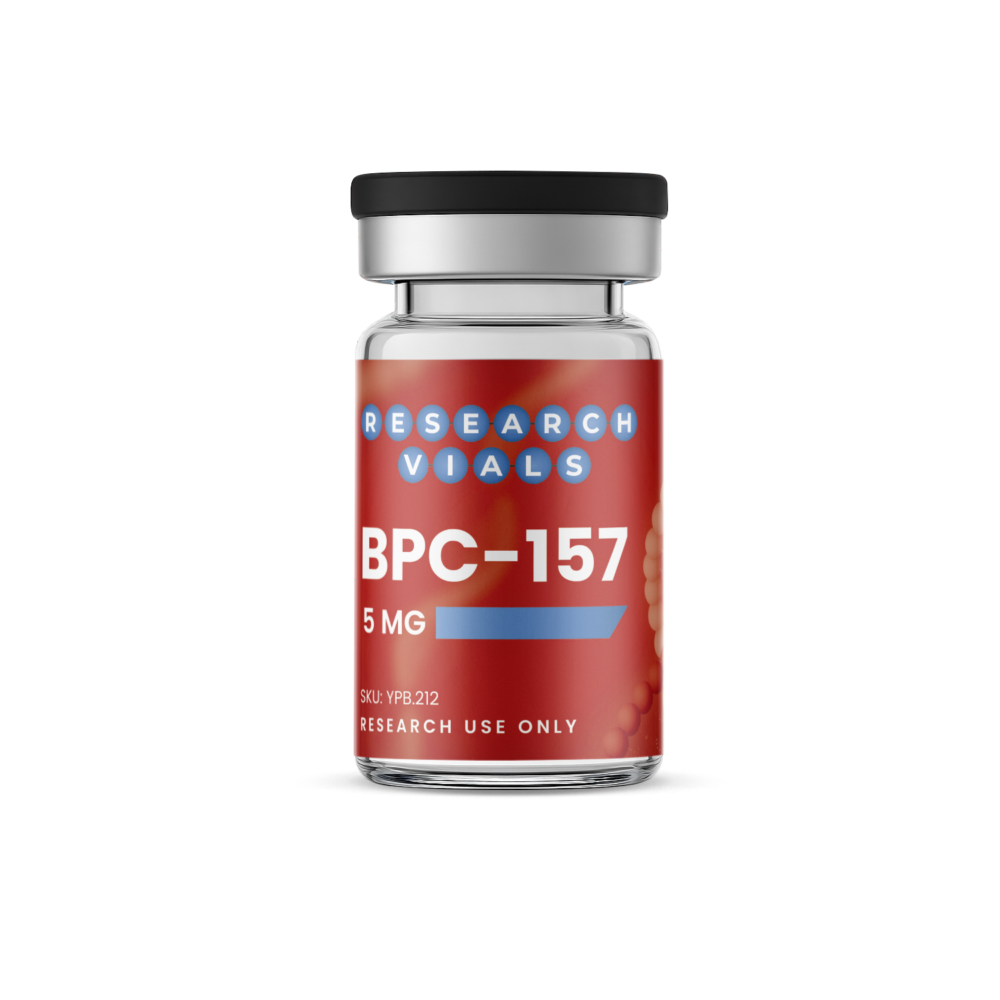
1. BPC-157 — The Broadest Evidence Base
Evidence level: 100+ preclinical studies | Key mechanism: VEGF upregulation, NO modulation | Strongest in: GI protection, tendon healing
BPC-157 remains the most extensively studied tissue repair peptide. Its documented effects span gastrointestinal, musculoskeletal, cardiovascular, and neurological tissue models. The breadth of evidence — while raising legitimate questions about mechanism specificity — means researchers have extensive published protocols to reference for study design. Available at researchvials.com.
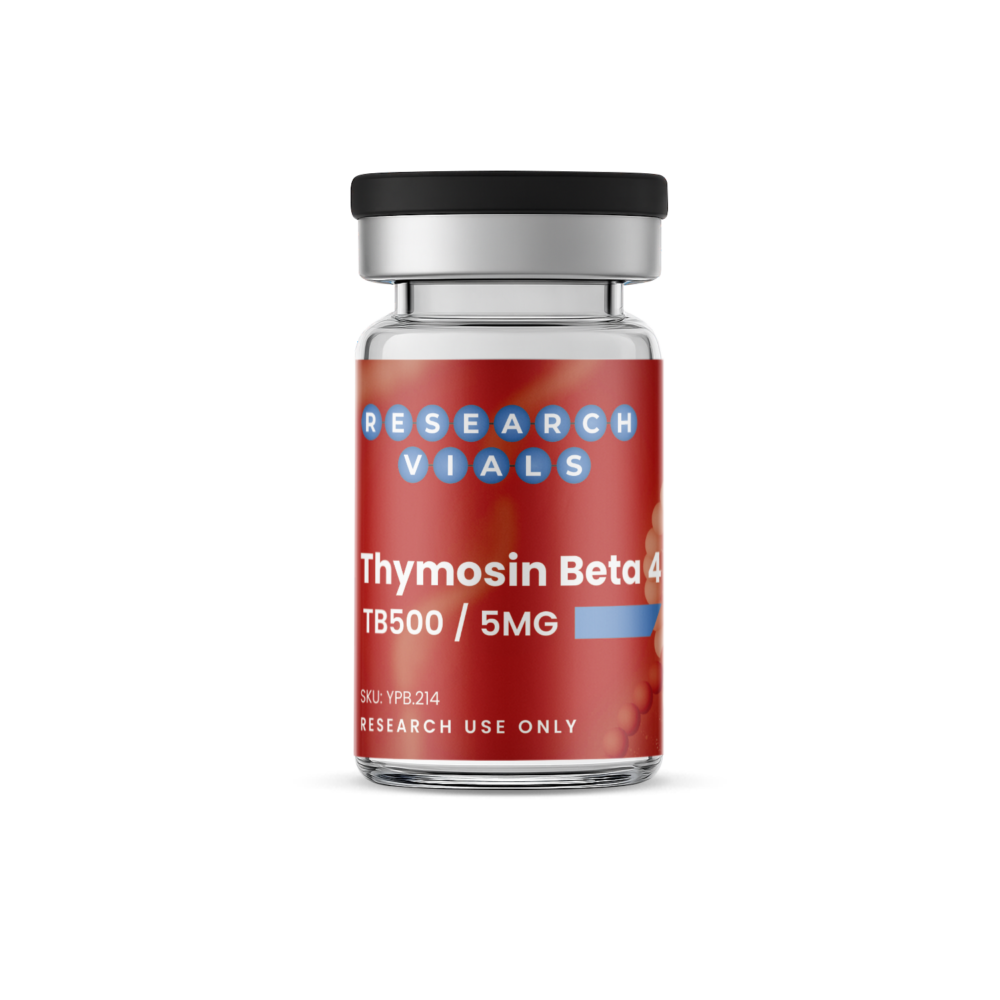
2. TB-500 (Thymosin Beta-4) — Cell Migration Specialist
Evidence level: 80+ preclinical studies | Key mechanism: Actin sequestration, Akt/PI3K activation | Strongest in: Cardiac repair, wound healing
TB-500 promotes the physical migration of repair cells into damaged tissue — a different bottleneck in the repair cascade than what BPC-157 addresses. Its cardiac repair data (epicardial progenitor activation, reduced infarct size) and ophthalmic data (RGN-259 clinical trials) represent the most advanced translational progress of any tissue repair peptide.
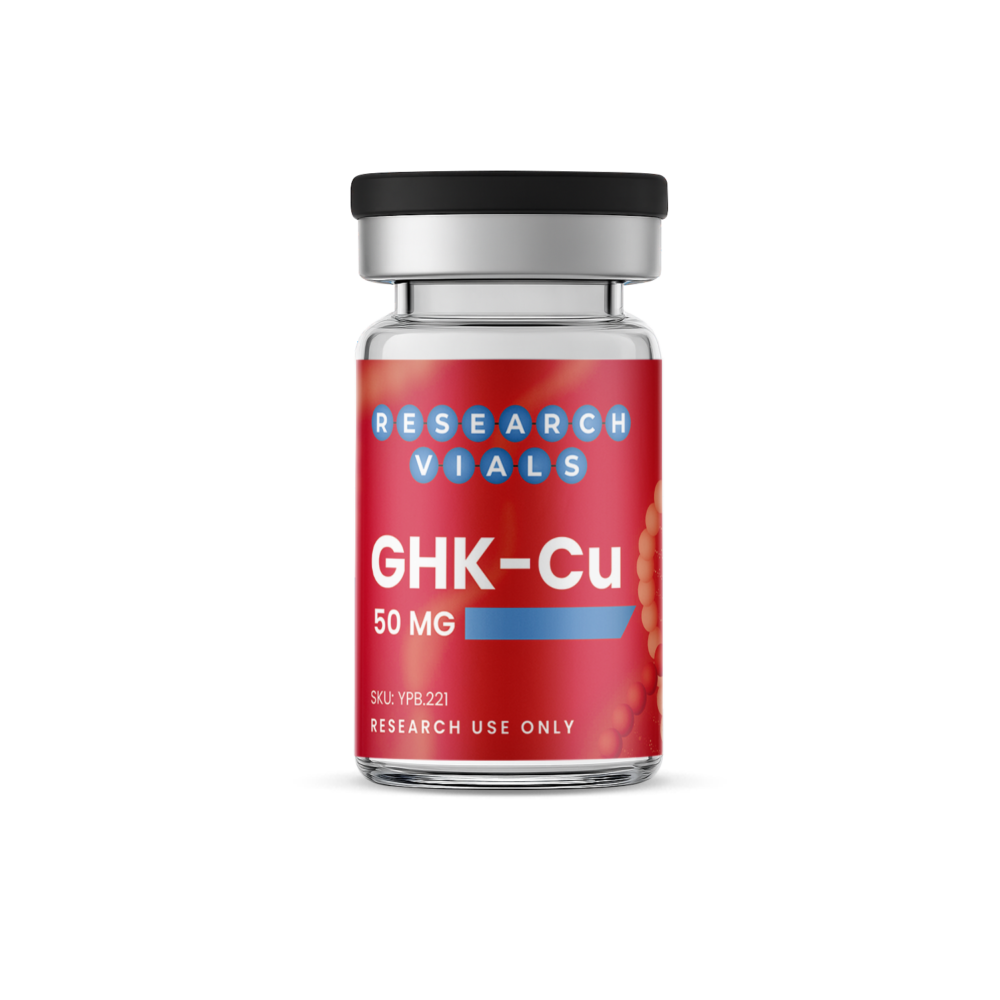
3. GHK-Cu — Collagen Remodeling Expert
Evidence level: 50+ studies | Key mechanism: Collagen synthesis + remodeling, gene expression modulation | Strongest in: Skin healing, anti-fibrotic repair
GHK-Cu's dual action — stimulating both collagen production and organized remodeling — makes it uniquely suited for research where scar quality matters as much as repair speed. Its gene expression profile (4,000+ genes modulated) suggests systemic rather than tissue-specific repair promotion.
4. Combination Approaches
The complementary mechanisms of BPC-157 (vascular support) + TB-500 (cell migration) + GHK-Cu (matrix remodeling) address three distinct bottlenecks in tissue repair. Research Vials offers pre-formulated combinations including the Wolverine Blend (BPC-157 + TB-500) and GLOW Blend (GHK-Cu + BPC-157 + TB-500).
5. Emerging Compounds
LL-37: The human cathelicidin antimicrobial peptide, now being studied for wound healing in infected tissue models — addressing the repair-infection intersection.
KPV: Alpha-MSH-derived anti-inflammatory tripeptide, studied for mucosal healing in IBD models where inflammation impedes repair.
How to Choose
Match the peptide to your tissue model: BPC-157 for GI/tendon, TB-500 for cardiac/general wound, GHK-Cu for collagen-dependent processes. For broad repair-pathway studies, consider combination approaches. All compounds available at researchvials.com with third-party COA documentation.
Frequently Asked Questions
Research Use Only Disclaimer: All products referenced in this article are sold exclusively for laboratory research purposes. They are not intended for human or veterinary use, food additive use, drug use, or household use. This article is educational content based on published preclinical literature and does not constitute medical advice.