AMP-activated protein kinase (AMPK) sits at the crossroads of cellular energy sensing and metabolic regulation. Activated by exercise, fasting, and metabolic stress, AMPK triggers a cascade of adaptations that improve glucose handling, increase fat oxidation, and promote mitochondrial biogenesis. Several research peptides converge on this pathway, making it a central mechanism in metabolic peptide research.
AMPK: The Master Metabolic Sensor
AMPK functions as a fuel gauge for the cell. When cellular energy drops (high AMP:ATP ratio), AMPK activates and switches the cell into an energy-conserving state: anabolic processes (protein synthesis, lipogenesis) are inhibited while catabolic processes (glucose uptake, fatty acid oxidation, autophagy) are stimulated. This is the same metabolic switch that exercise and caloric restriction engage — which is why compounds that activate AMPK pharmacologically are termed "exercise mimetics."
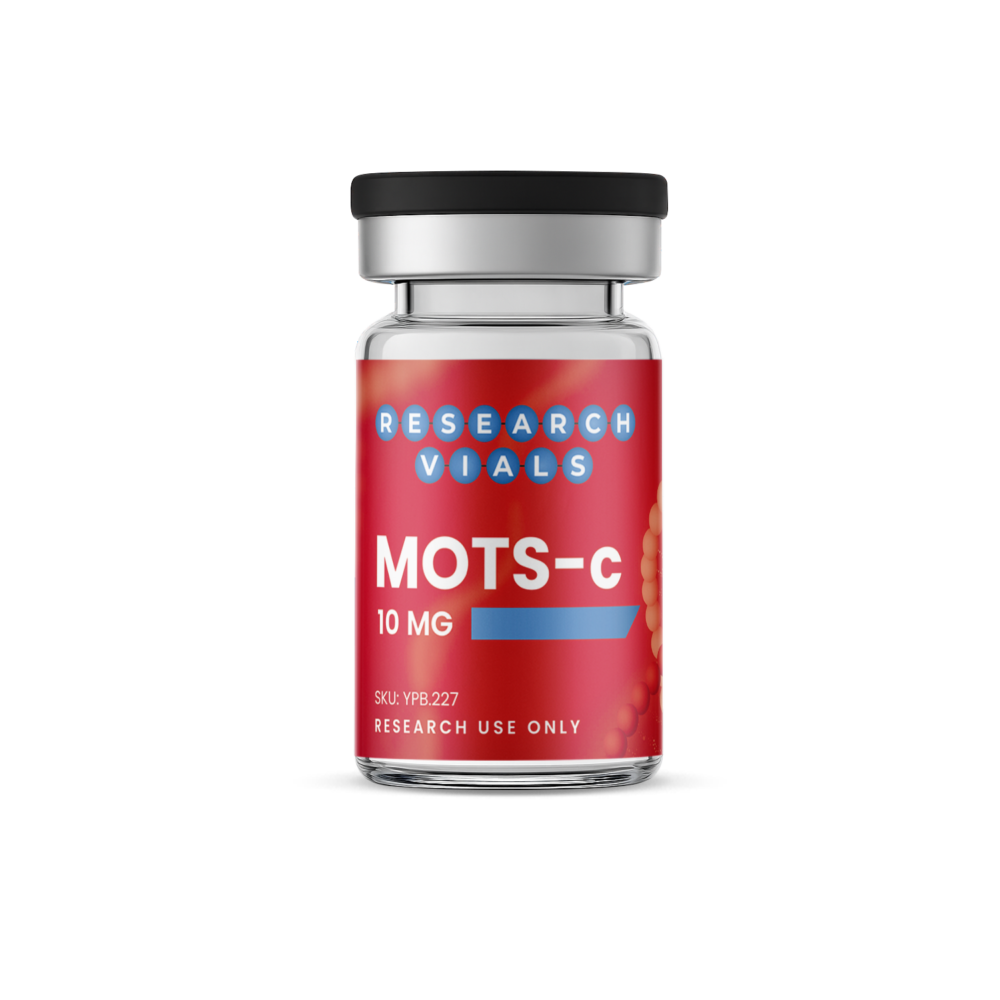
MOTS-c: Mitochondrial AMPK Activator
MOTS-c is the first mitochondrial-derived peptide shown to activate AMPK and regulate nuclear gene expression. It inhibits folate cycle enzymes, increasing AICAR (an endogenous AMPK activator), which in turn activates AMPK. This retrograde mitochondria-to-nucleus signaling represents a novel pathway linking mitochondrial metabolic state to nuclear gene regulation. In obese mouse models, MOTS-c prevented weight gain and improved insulin sensitivity through this mechanism. Available at researchvials.com.
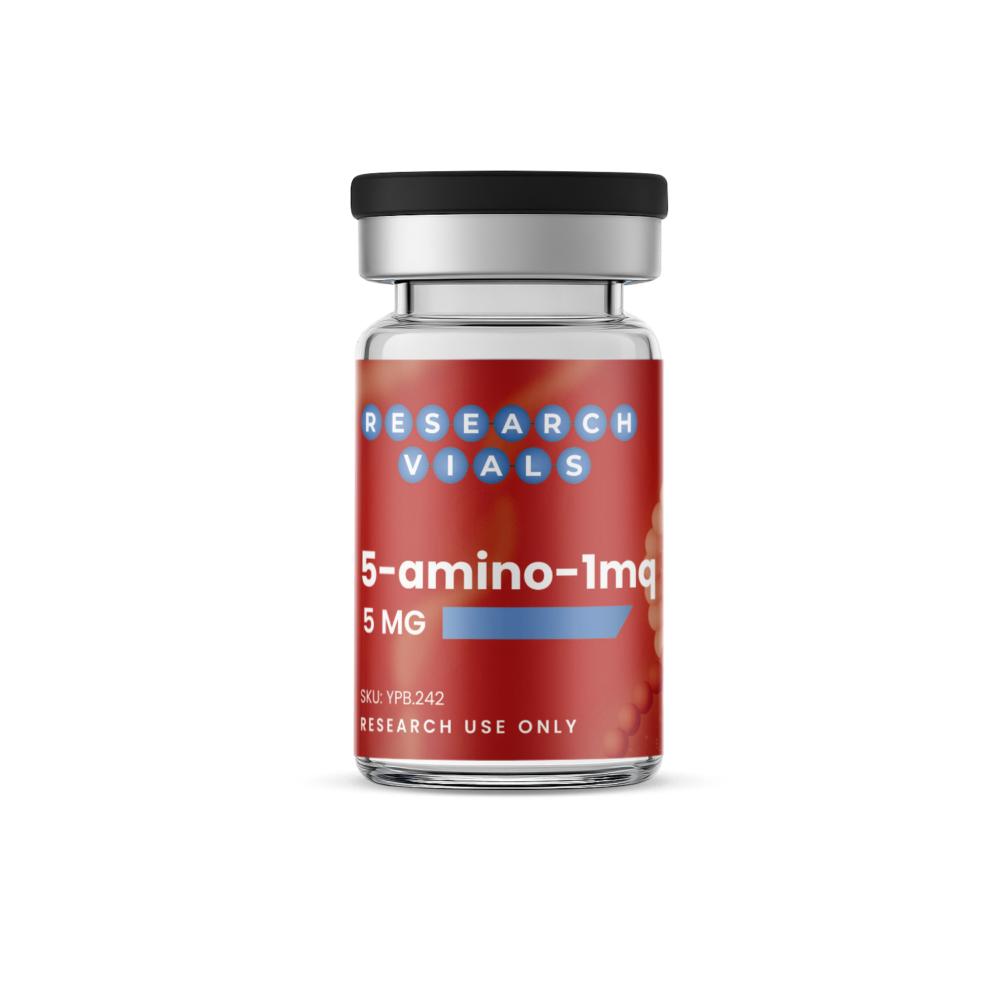
5-Amino-1MQ: NNMT Inhibition and Metabolic Flux
5-Amino-1MQ approaches metabolic regulation from a different angle — inhibiting nicotinamide N-methyltransferase (NNMT), an enzyme that consumes NAD+ precursors. By blocking NNMT, 5-Amino-1MQ increases cellular NAD+ availability, which supports SIRT1 activation and downstream AMPK signaling. This NAD+-SIRT1-AMPK axis is a major research target in metabolic and aging research.
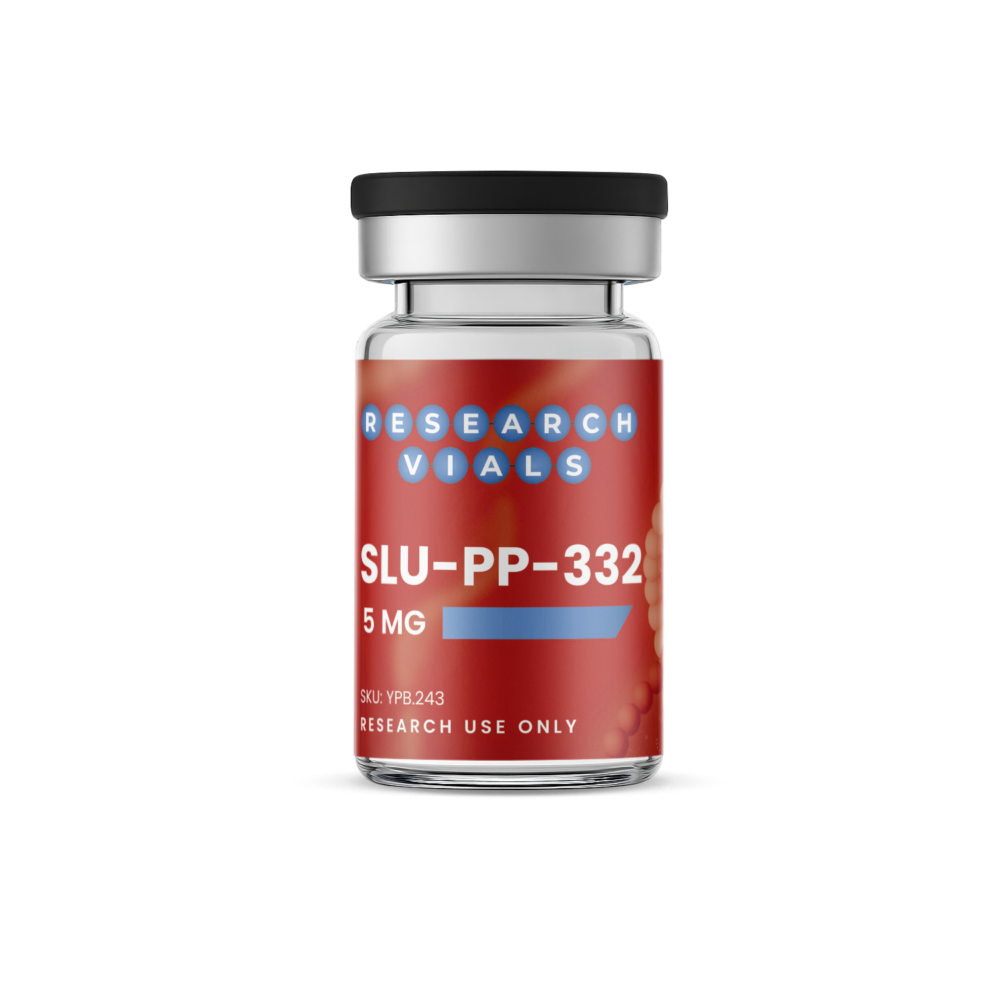
SLU-PP-332: Exercise Mimicry via ERR
SLU-PP-332 is an agonist of estrogen-related receptors (ERRs), transcription factors that regulate mitochondrial biogenesis and oxidative metabolism genes. While not a direct AMPK activator, it engages overlapping downstream targets — mitochondrial gene programs and endurance-related adaptations — that converge with AMPK-mediated effects.
Implications for Metabolic Research
The convergence of multiple peptide compounds on AMPK-related pathways provides researchers with tools to dissect different nodes of the metabolic regulation network. MOTS-c activates AMPK through folate cycle inhibition, 5-Amino-1MQ through NAD+ salvage pathway modulation, and SLU-PP-332 through nuclear receptor activation. Each provides a distinct pharmacological entry point.
All metabolic research peptides are available at researchvials.com.
Frequently Asked Questions
Research Use Only Disclaimer: All products referenced in this article are sold exclusively for laboratory research purposes. They are not intended for human or veterinary use, food additive use, drug use, or household use. This article is educational content based on published preclinical literature and does not constitute medical advice.